Basic Koi Nutrition

Koi Nutrition: The essentials
When it comes to keeping healthy koi, water quality will always come first — but koi nutrition runs a very close second. The food you provide directly influences growth rate, skin quality, colour intensity, immune strength and even breeding performance.
Poor dietary choices don’t just slow growth; they compromise vitality, reduce colour development and increase susceptibility to disease. In a closed pond environment, koi are entirely dependent on us to meet their nutritional requirements. If we get it wrong, the consequences are predictable.
Natural Feeding Behaviour vs Artificial Koi Diets
Koi are omnivorous by nature. In lakes and mud ponds they spend much of the day grazing and scavenging. Their natural diet includes insect larvae, worms, algae, plant material, detritus and microscopic organisms. This constant foraging behaviour explains why koi often root through pond bottoms, stirring up sediment.
However, in modern, densely stocked ornamental ponds, natural food sources are extremely limited. It is neither practical nor economical to supply live foods such as daphnia or bloodworm in sufficient quantities year-round. Seasonal availability would make consistency impossible.
Thankfully, decades of global aquaculture research mean that a high-quality dry artificial koi food can provide a fully complete and balanced diet, supporting optimal health and appearance without relying on live foods.
What Does “Complete and Balanced” Really Mean?
These two terms are often misunderstood.
A “complete” koi food contains all essential nutrients — proteins, carbohydrates, fats, vitamins and minerals. But completeness alone is not enough.
A “balanced” koi diet provides those nutrients in the correct proportions. Too much or too little of one element can cause long-term health issues. Feeding an unbalanced diet is rather like eating fast food every day: everything may be present, but not in the right ratios to sustain long-term wellbeing.
For koi to thrive — not merely survive — their food must be both complete and properly balanced.
The Five Essential Nutrient Groups in Koi Food
Every reputable koi pellet or paste should supply the following core nutrients:
Protein
Typically around 30% in a standard maintenance diet, higher in growth foods and lower in cold-water formulations. Protein supports tissue repair, muscle development and overall growth. Common sources include fishmeal, soya, wheat and egg derivatives. Protein is also the most expensive component of a koi diet.
Carbohydrates
Plant-derived starches and fibres provide a cost-effective energy source and aid digestion. While koi utilise carbohydrates less efficiently than mammals, they form an important part of a balanced formulation.
Oils and Fats
Usually included at under 10%, from fish or vegetable sources. Oils supply concentrated energy and support cellular function. Excessive oil can create greasy pellets and may negatively impact water quality.
Vitamins
Essential for metabolic processes and immune health. Because some vitamins degrade during manufacturing, quality koi foods now include stabilised Vitamin C to maintain potency.
Minerals
Required for bone development, enzyme systems and overall physiological balance. Many are supplied naturally via raw ingredients, though premium feeds may include supplementation.
Together, these five nutrient groups form the foundation of proper koi nutrition.
Understanding Different Koi Food Types
Just as we can cook eggs in various ways without altering their fundamental nutritional content, koi diets can be delivered in multiple formats. The formulation may remain the same — only the physical form changes.
Koi food generally falls into three main formats:
Floating pellets and sticks
The most widely used option. Floating pellets allow you to monitor feeding behaviour, reduce uneaten waste and enjoy surface interaction. They are produced through extrusion, creating internal air pockets that enable buoyancy.
Sinking pellets
Denser pellets that descend through the water column. Useful in early spring or for shy feeders, but require careful management to avoid uneaten food affecting water quality.
Paste foods
Supplied as a fine powder that must be mixed with water into a dough. Paste releases strong scent signals into the water, stimulating vigorous feeding. While highly palatable, it must be formulated carefully to prevent nutrient leaching.
The choice of format is largely personal preference, provided feeding discipline and water quality are maintained.
Different Formulations of Koi Food
Beyond format, koi food is also categorised by purpose:
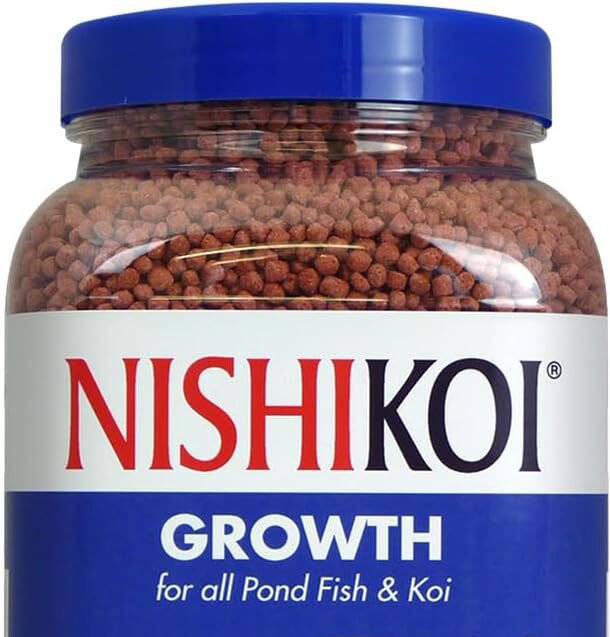
Growth Food
Higher protein levels to support rapid development during warm summer months.
Wheatgerm Food
Lower protein and easily digestible, traditionally used in cooler water temperatures when metabolism slows.
Staple or Maintenance Diet
An all-round, complete and balanced koi food suitable for general feeding.
Selecting the correct formulation for the season is just as important as choosing the correct format.
How to Choose the Best Koi Food
Before purchasing koi food, consider the following:
-
Is it clearly labelled as complete and balanced?
-
Does the protein level suit the season?
-
Is the format (floating, sinking, paste) appropriate for your pond?
-
Does it represent genuine value for money when comparing weight-for-weight? (Some pellets are more aerated than others.)
-
Does it contain colour-enhancing ingredients such as spirulina, krill, marigold meal, astaxanthin or canthaxanthin if colour improvement is your goal?
-
Is stabilised Vitamin C included?
-
Is the packaging resealable to maintain freshness?
-
Does the best-before date extend through your feeding season?
-
Are you buying a sensible quantity that will remain fresh once opened?
It is also wise to consult experienced koi keepers or reputable dealers for recommendations.
The Bottom Line on Koi Nutrition
Feeding koi is not simply a matter of filling the pond with pellets. Every feeding decision influences growth, colour, disease resistance and long-term vitality.
Provide high-quality, seasonally appropriate, complete and balanced nutrition — and your koi will reward you with steady growth, strong immune function and vibrant colour.
Neglect nutrition, and even the best genetics cannot perform.