Which pond pump should I choose?

Pond Pumps – Essential for filtration and recirculation.
Every pond should have one. Regarded as the heart of the pond, the pump (like the human heart) must be the most reliable component of the entire pond and filter system. Expected to run 24 hours a day, 365 days a year in most setups, a pond pump performs roles that range from aesthetically pleasing to absolutely life-saving. If a problem develops with the pump, a problem is almost certain to follow in the pond’s balance, water quality and fish health.
Pond Pump Design – Understanding the Two Main Types
There are two primary types of pond pump available to the pond keeper: the external (surface-mounted) pump and the submersible pump. Choosing the right one depends on pond size, filtration demands and system layout.
1. External Pond Pumps
An external pond pump is positioned outside the pond. Water is drawn from the pond via a rigid suction pipe and pushed through to an external filter system. These pumps are better suited to larger or specialist installations where higher water turnover rates are required, such as larger koi ponds or systems using pressure filters.
Because of their specialist use, external pumps represent a smaller segment of the mainstream garden pond market. However, where high pressure or significant head height is required, they are often the preferred solution.
2. Submersible Pond Pumps
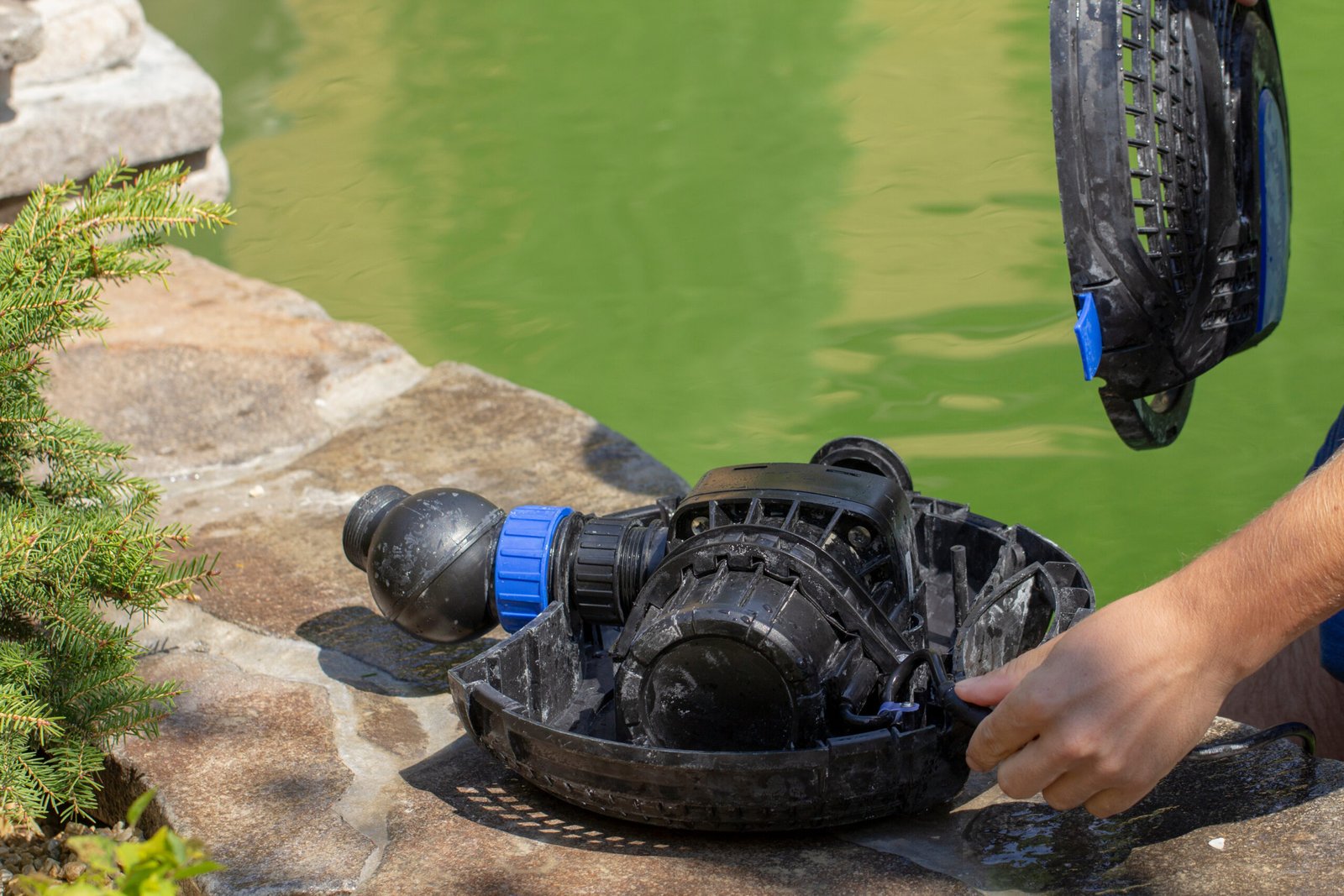
Submersible (internal) pond pumps are by far the most popular choice for garden ponds. They are versatile, easy to install and available in a wide range of sizes — from small fountain pumps for decorative features to high-capacity models designed to power filters and waterfalls.
In earlier years, some pond keepers were hesitant about placing electric pumps directly in water. However, modern submersible pump design is uncompromising when it comes to safety and reliability.
The only moving part in a typical submersible pump is the magnetic impellor assembly. This rotates in response to a magnetic drive produced by an electromagnet sealed within the pump body. All electrical components are fully encased in hardened resin and housed within a robust, watertight casing, ensuring safe underwater operation.
Most submersible pumps operate on mains power (220–240v) and should always be connected via an RCD (Residual Current Device) for additional safety. Some manufacturers also produce low-voltage pond pumps powered by a transformer. While these eliminate the risk of high-voltage shock in the pond, they require careful positioning of the transformer in a dry, secure location.
How Pond Pumps Work – Centrifugal Force Explained
Most pond pumps are centrifugal pumps. The spinning impellor throws water outward, creating pressure and flow. A helpful comparison is standing on a spinning playground roundabout — unless you hold on, you’re pushed outward by centrifugal force. Inside the pump, this same principle moves water efficiently through pipework and filtration systems.
Key Pond Pump Functions
A pond pump performs several essential functions in a healthy pond ecosystem.
1. Filtration and Water Circulation
The primary life-saving role of a pond pump is to circulate water through the filter system. This prevents stagnation and allows the removal of both solid waste and dissolved toxins. Because garden ponds are often stocked more heavily than natural water bodies, filtration is essential — and filtration depends entirely on the pump.
Beneficial bacteria within the biofilter require a constant supply of oxygen-rich water to break down toxic ammonia and nitrite. If the pump stops or operates intermittently, the bacterial colony weakens quickly, leading to deteriorating water quality and stressed fish.
2. Green Water Control via UV Clarifiers
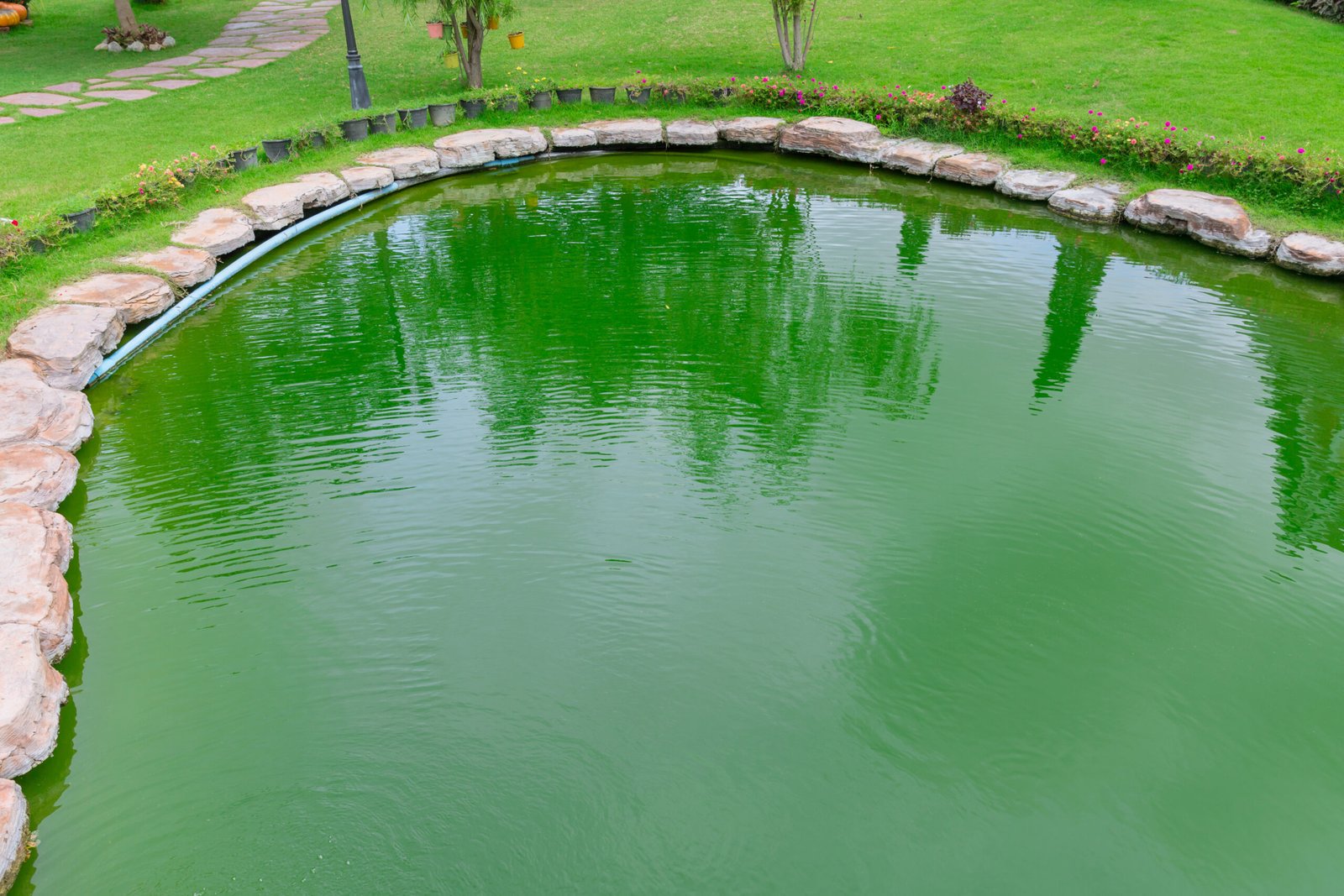
Pond pumps also drive water through an Ultra Violet Clarifier (UVc). The UV light disrupts single-celled algae responsible for green water, causing it to clump together so it can be removed by the filter. Without adequate pump flow, even the best UV unit will not perform effectively.
3. Aesthetic Features – Fountains and Waterfalls
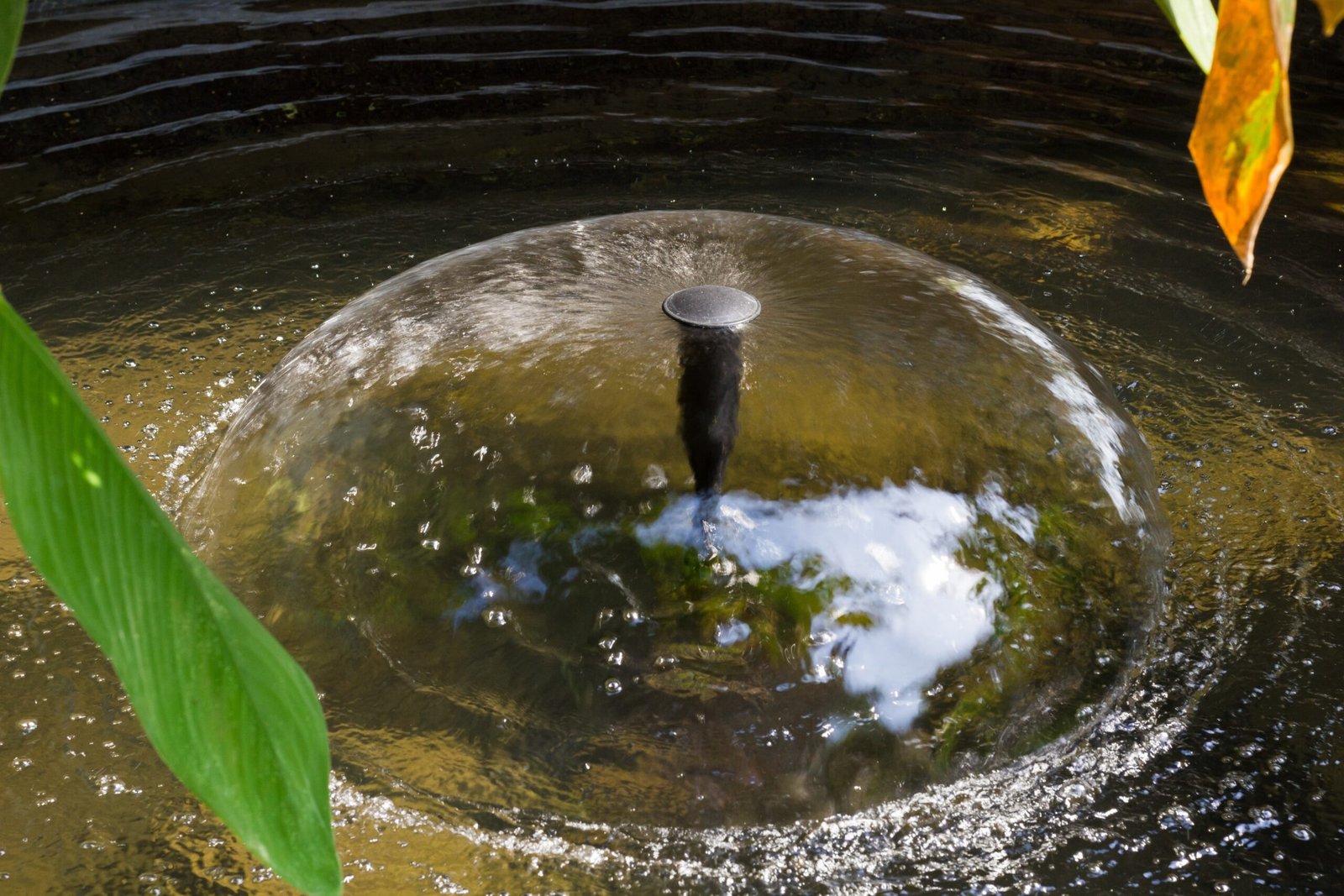
Some pumps are installed purely for decorative effect. Smaller fountain pumps are designed for self-contained water features or pebble fountains. These typically do not have sufficient power to drive external filters or waterfalls.
Standard filter or waterfall pumps are larger and built to move significant volumes of water vertically. If you intend to power a waterfall, ensure the pump is rated appropriately for both flow rate and head height.
4. Aeration via Venturi Systems
In gravity-fed filter systems, a pump positioned in the final chamber can return water to the pond through a venturi attachment. As water is forced through the venturi, air is drawn into the flow, producing vigorous surface aeration. This increases dissolved oxygen levels and improves overall pond health.
5. Powering a Pond Vacuum
Some pumps can also assist with pond maintenance by powering a pond vacuum system. This setup creates suction to remove debris and dirty water from the pond bottom, helping maintain water clarity and reducing organic buildup.
How to Choose the Right Pond Pump
Selecting the correct pond pump requires careful consideration of several factors.
1. Pond Volume and Turnover Rate
A pond system should ideally turn over its full water volume at least once every two hours. For example, a 1,000-gallon pond requires a pump capable of delivering at least 500 gallons per hour — after accounting for head height and pipe losses.
2. Head Height (Vertical Lift)
Pump specifications are often measured at zero head — meaning at water level with no pipework attached. As soon as water must be lifted vertically, flow rate decreases.
Head is measured as the vertical distance between the pond surface and the outlet point (such as a waterfall or filter return). If a 1,000-gallon pond requires 500 gallons per hour and has a 3-foot waterfall, the pump must deliver 500 gph at 3 feet of head — not at zero head.
3. Waterfall Flow Requirements
To create a realistic waterfall effect, sufficient water volume must reach the top. A useful guideline: an average running tap equals approximately 200 gallons per hour. A 6-inch wide waterfall typically requires around 500 gallons per hour for full coverage. Insufficient flow results in an unimpressive trickle.
4. Metric vs Imperial Measurements
Many modern pumps list output in litres per minute rather than gallons per hour. Remember:
1 gallon = 4.54 litres.
Always compare like with like when evaluating performance.
5. Pipework Considerations
Pipe diameter and layout significantly affect pump performance. Always use the manufacturer’s recommended pipe size, even if reducing adaptors are supplied. Avoid tight elbows and sharp bends — sweeping curves in flexible hose reduce friction and maintain flow efficiency.
6. Power Consumption and Running Costs
Because pond pumps typically run continuously, energy efficiency matters. Power consumption is measured in watts. Two pumps rated at 500 gph may consume vastly different wattages — for example, 65W versus 100W. Over years of operation, the lower wattage model could save enough in electricity to offset the purchase price.
7. Warranty and Reliability
Modern pond pumps often come with warranties of up to three years. With proper maintenance and correct installation, they can exceed this lifespan. Pumps are more prone to failure if switched on and off frequently rather than run continuously.
Debris and blanketweed can clog impellors, leading to overheating. Many pumps include pre-filters to reduce this risk, though partially blocked filters can reduce performance. For larger systems, solids-handling pumps capable of passing debris up to 10mm are available.
Final Thoughts – Investing in the Right Pond Pump
A pond pump is not just another accessory — it is the driving force behind filtration, water clarity, aeration and overall fish health. Selecting the correct pump based on pond volume, head height and energy efficiency ensures long-term reliability and stable water conditions.
Choose carefully, allow for future growth, and when in doubt, opt for slightly more capacity than you think you need. A larger pump can always be throttled back — but an undersized pump will cost far more in the long run.