Pond Fish Food – Dos and Don’ts
We eat on average, 3 times a day, and according to a survey on lifestyle, we can expect to spend a total of 5 years of our life eating. Quite a full time occupation!
Pond fish are quite different, and compared with our gastronomic timetable, their eating habits could almost be classed as part-time.
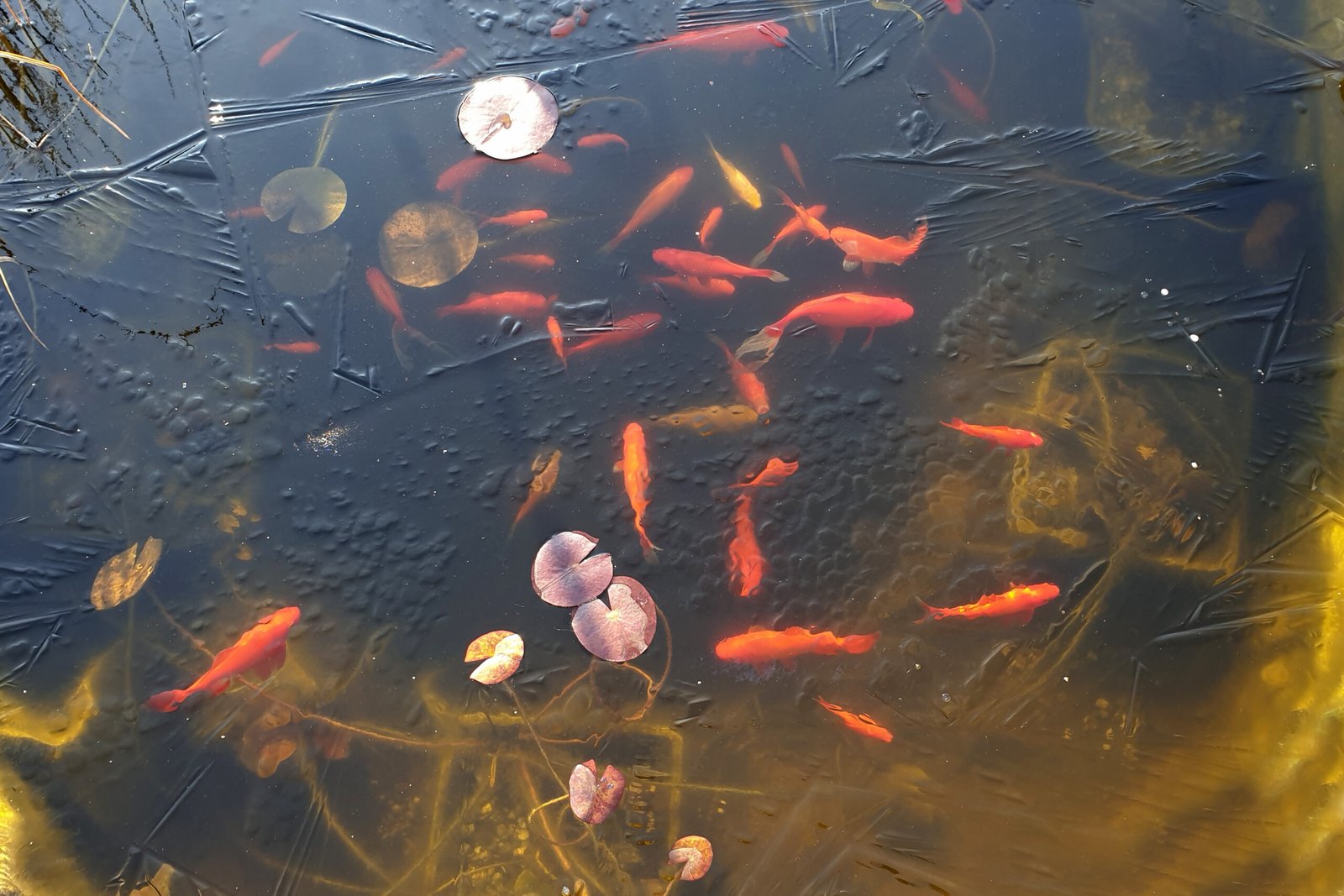
Temperature determine when fish will have an appetite to eat, and when temperatures begin to fall below 8oC will rather be found in the warmer depths of a pond than be found at the surface, feeding. As fish are cold blooded, their metabolism (rate of ‘tick-over’) is governed by the water temperature, and when the water temperatures are low, so is their need for food.
The functioning of the whole pond system is governed by water temperature. In winter, when plants die back, insect life and other aquatic life also declines and we too tend to spend less time in the garden. In fact the pond and water gardening businesses that supply the hobby tend to behave just like fish, and follow their activity. Being slow and sluggish in the winter but busy and active in the summer. Just as a typical aquatic business needs to capitalise on the busy window of opportunity of the warmer months, so do fish. In both cases, if the summer is not spent productively, then the survival through winter may be put to the test. In summer, we are now in the middle of this window of opportunity, and our fish are completely reliant upon us providing them with the nutrition that they require. Not only are they part time feeders eating for the present, but also for the barren winter months, when it will be too cold to feed and digest food. Over this colder period there is still a demand on their reserves for energy to keep their reduced tick-over going.
How do fish use the food we feed?
The 3 key areas- Health, Growth and Colour.
1. Health.
The major factor affecting fish health is water quality, where toxic waste products excreted by fish must be filtered and detoxified, or health problems will ensue.
Correct nutrition comes a close second behind water quality when maintaining the health of fish.
Fish are not unique in that they have specific nutritional requirements and unless they are fulfilled, will lead to a number of health or deficiency problems.
As the majority of garden ponds are not nutritionally self-sustaining, where plants and insect life produced within the pond is unable to satisfy the nutritional needs of fish, then it is essential that fish are fed a complete and balanced diet.
A specific factor in a diet that will affect health is vitamin content. These very ‘fragile’ compounds, although found in minute quantities in the diet, are essential for the healthy functioning of a myriad of biological processes. Often excessive temperatures that food undergoes during its manufacture can cause some vitamins to be lost from the natural ingredients. (Similar to over-boiling vegetables!).
Fish nutritionists have recognised this and advocate the inclusions of supplements of stabilised vitamins, that remain unaltered and intact through the manufacture, available for fish.
Vitamin C is very prone to being lost under such circumstances and Stabilised Vitamin C can now be found in most leading diets, to enhance the fish’s immune response, preventing deficiencies as occurred in sailors of old, who had diets deficient in Vitamin C.
2. Growth
The most cherished and memorable fish in a collection are the larger fish. In pond keeping, size certainly does matter, and it is the aim of many pond keepers to grow their fish as big as possible (in as short a time as possible). As most fish are sod on size, the perception of value in a fish can be largely determined by its size. Several factors interact to control growth rate, some of which we can and can’t control. Genetic factors that influence growth rate are fixed, and are a factor of inheritance. Growth rate can be manipulated by keeping the stocking density in a pond under control. For example, fewer fish in a larger pond will soon outgrow a heavily stocked, but smaller pond.
The food we feed to pond fish can also be controlled, in both its quality and its quantity. Fish food provides the energy for movement as well as the protein for growth.
Protein in the diet can be both an enemy and an ally, and care must be taken when choosing a food for you pond fish. All fish foods are different, and the role of proteins must be fully understood to be able to make the wisest food selection.
– What are the uses of Protein?
Fish can use protein in 2 ways, either for growth (which is preferable) or as an energy source (which is not). If fish use protein they consume in their diet for growth then fish will increase in length and weight. But if pond fish use protein from the diet as a source of energy, (instead of other energy providers such as carbohydrates or oils), then growth is likely to be reduced and when protein is ‘burnt off’, toxic ammonia is released into the water as a by-product. We can encourage pond fish to use protein efficiently for growth by choosing a balanced diet, appropriate to the pond temperature.
– Water temperature and protein.
Spring and autumn
In cooler waters, either side of autumn and spring, it makes sense to feed lower protein diets. Fish are not growing sufficiently fast enough to justify a high protein diet (which is more expensive), and if they were fed such a diet, they would ‘burn off’ a lot of the excess protein for energy, and release toxic ammonia as a by-product.
In addition, at temperatures between 9oC + 14oC, digestion is relatively inefficient in pond fish. It is for this reason it is wise that fish are fed a low protein vegetable based (wheatgerm) diet which is easy to digest.
Summer
As water temperatures begin to regularly exceed 14oC, and fish become more active, they show a greater potential for growth, if offered sufficient protein in the diet. For this reason, pond fish should be offered a high protein diet in the summer to optimise growth in pond fish. If they were maintained on the low protein wheatgerm diet over this period, then the lower protein in the diet would not enable fish to grow as quickly.
3. Colour.
Pond fish are bred for their array of colours and the visual impact they have when assembled in a pond. Colour can be compared to growth, in that it too is a factor of a fish’s genetic inheritance, but can also be improved through nutrition. It is possible to enhance and improve the colour of pond fish by feeding colour-enhancing compounds in the diet. Pond foods can now be formulated to include a range of natural colour enhancing ingredients such as Spirulina (an algae), Krill (a marine crustacean), and even Paprika (red pepper)or marigold petals. These ingredients contain pigments called carotenoids which are the compounds that ornamental fish such as koi and gold fish exhibit in their skin. These same fish can store more pigment in the skin if it is made available to them in their diet, deepening the red in their skin. Look out for colour enhancing foods, so you can play a part in improving the colour of your fish.
How Often Should You Feed Pond Fish?
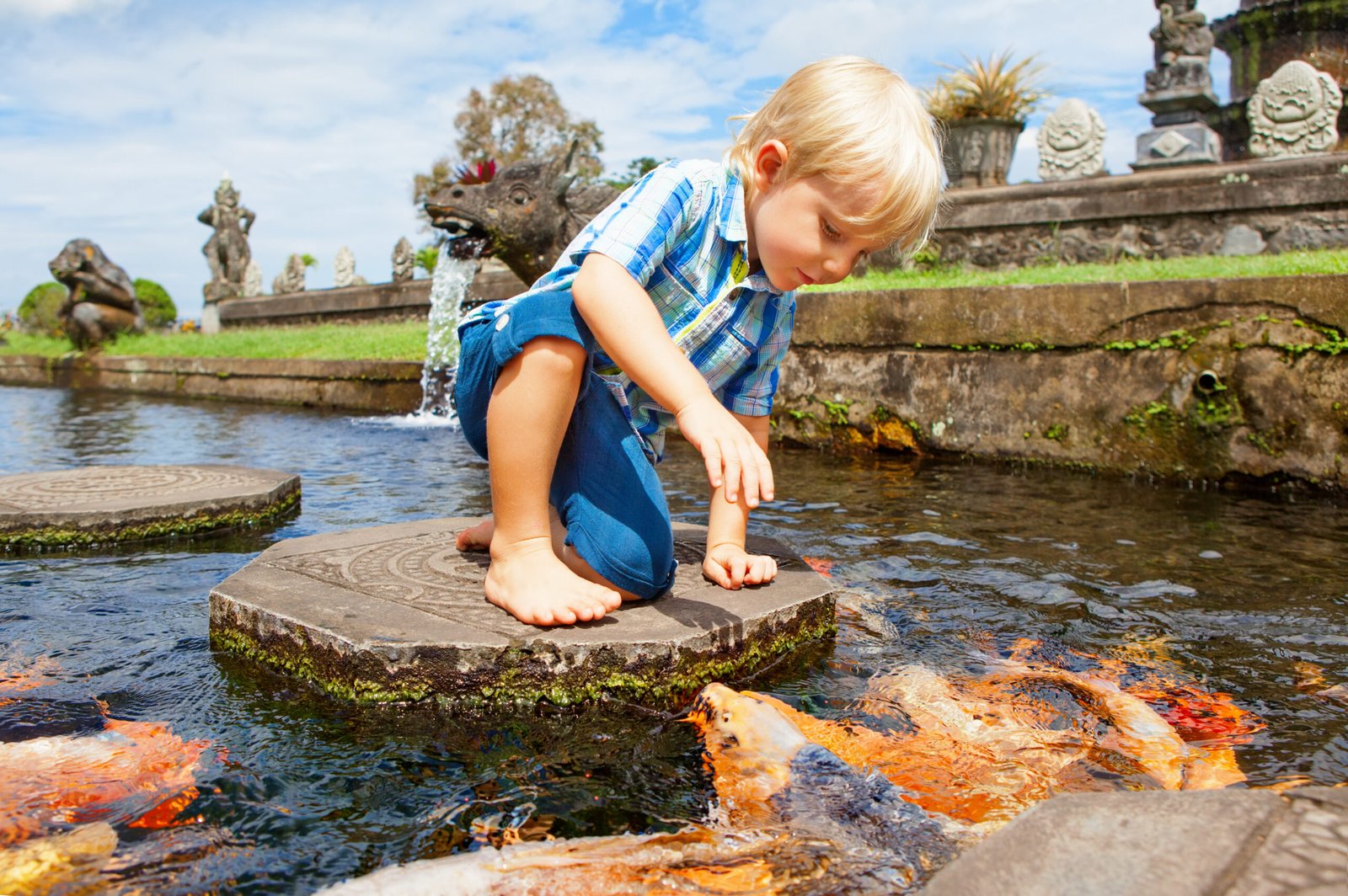
Koi, goldfish and shubunkins all descend from carp, a species naturally adapted to graze continuously. In the wild, carp spend much of the day rooting through silt and debris, taking countless small mouthfuls of food rather than consuming large, infrequent meals.
Unlike mammals, pond fish do not have a true stomach. Their digestive system is designed for steady intake, not heavy feeding sessions. For that reason, the ideal feeding routine for pond fish is little and often. If you were to compare it to human advice, it’s similar to how often we’re told to brush our teeth — more frequent is better. Three small feeds per day is ideal in warm weather, while twice daily should be considered a minimum when conditions allow.
Feeding the Fish Means Feeding the Pond
One of the biggest differences between keeping fish and keeping other pets is this: whatever you feed does not simply affect the animal — it also affects the environment.
When you feed koi or other pond fish, you are effectively feeding the entire pond ecosystem. Uneaten food and metabolic waste influence ammonia levels, filtration load and overall water quality. Poor feeding practices often lead to deteriorating water conditions, and it is declining water quality — not obesity — that causes the majority of feeding-related health problems.
At the Nishikoi Information Centre, more cases of harm are linked to overfeeding than to underfeeding. Fish are extremely efficient at utilising nutrients and can go for extended periods without food, even during summer, without suffering damage. Overfeeding, however, rapidly destabilises water parameters.
A simple rule: feed only what your fish will consume within five minutes. If food remains after that time, remove it and adjust the next ration accordingly.
Understanding Pond Fish Food Types
The modern pond market offers a wide range of food options. These can broadly be categorised in two ways:
-
Physical format
-
Nutritional formulation and quality
Both matter when selecting the best pond fish food.
Physical Formats of Pond Fish Food
Regardless of brand, pond foods generally come in three main forms.
Flake Food
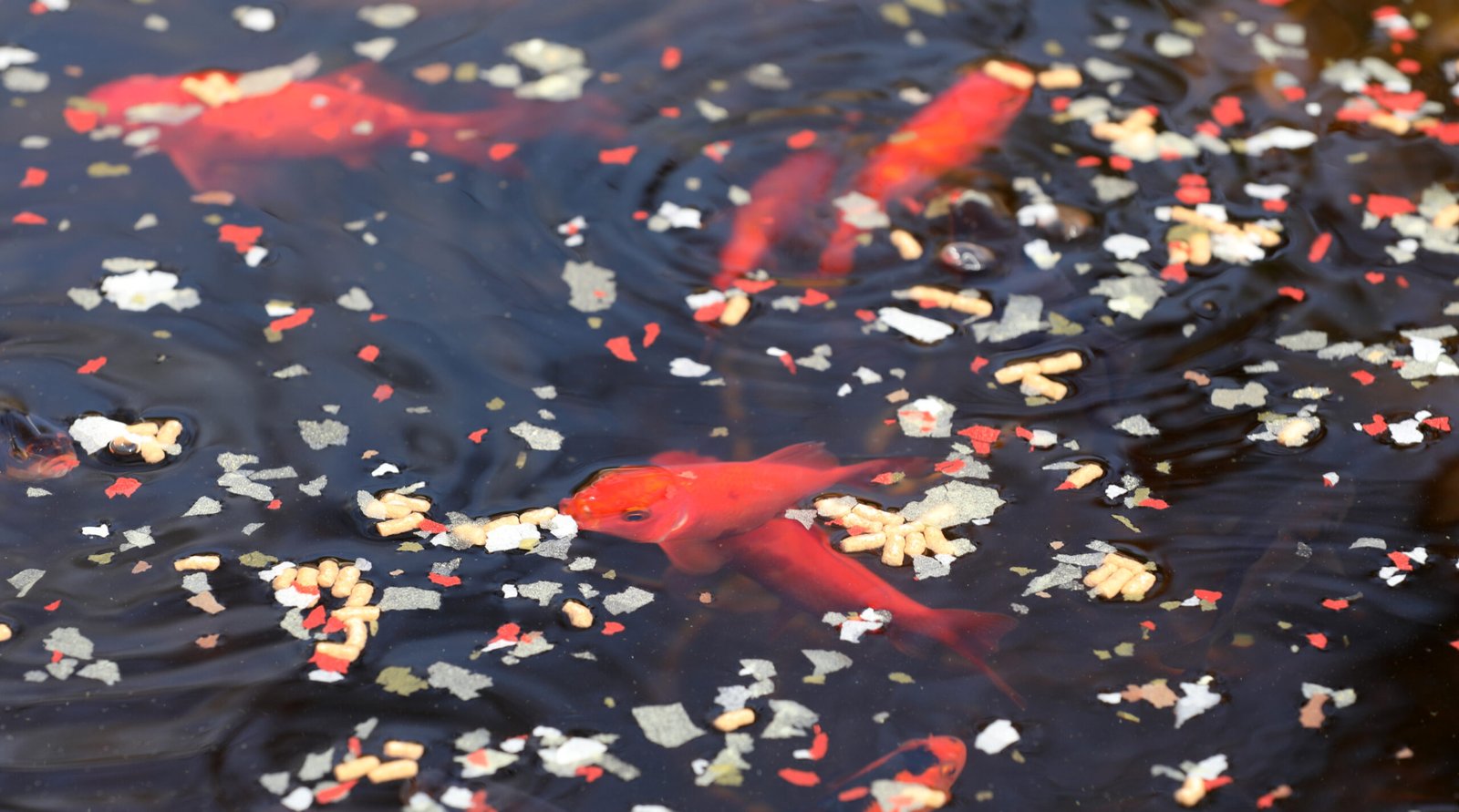
Flakes consist of thin, lightweight sheets blended to provide a complete and balanced diet. They are most popular for indoor aquariums but are sometimes used in ponds for small fish. Flakes tend to soften and sink gradually, which can benefit shy or mid-water species such as tench.
However, flakes are less practical outdoors due to wind drift and rapid breakdown.
Pellets
Pellets dominate the pond fish food market because of their versatility. They are available in multiple sizes, from micro pellets suitable for juvenile fish to jumbo pellets for large koi.
Most pellets float, encouraging fish to feed at the surface. This allows keepers to:
Sinking pellets are now available for bottom-dwelling species such as sterlets and tench. These must be used cautiously, as uneaten sinking food can accumulate on the pond floor and compromise water quality.
Sticks
Food sticks are similar to pellets but longer and often less dense. They soften quickly in water, making them accessible even to smaller fish. Many pond keepers prefer sticks for mixed-species ponds.
Nutritional Quality and Formulation
Two foods may look similar, yet differ significantly in performance. Protein levels, ingredient sources, vitamin stability and added supplements can vary widely between brands.
Pond fish foods are typically formulated into categories such as:
-
Staple diets for general maintenance
-
Growth foods with higher protein levels for summer
-
Colour-enhancing diets containing ingredients like spirulina or astaxanthin
-
Wheatgerm foods for cooler temperatures
When choosing a food, examine:
-
Protein percentage
-
Presence of colour enhancers
-
Stabilised Vitamin C content
-
Suitability for the season
It is also sensible to ask reputable aquatic retailers what they feed to their own valuable stock.
Common Feeding Questions
Competition at feeding time
Koi and pond fish can become highly competitive. To ensure all fish receive adequate nutrition, consider offering a mix of pellet sizes or combining floating and sinking formats. Always take care not to increase total quantity simply to compensate for dominant fish.
Feeding during holidays
A two-week summer holiday rarely presents a serious problem. In a well-established pond with natural plant growth and moderate stocking, fish will manage perfectly well without supplemental feeding.
If you prefer someone to check the pond while you’re away, pre-portion daily rations. This avoids the common mistake of a well-meaning neighbour overfeeding.
When should feeding stop in autumn?
As water temperatures fall below approximately 14°C, switch to a wheatgerm-based diet that is easier to digest. Eventually, fish themselves provide the clearest signal. When they show little interest in food, it is time to stop.
If they have been fed appropriately through the summer, they will have built sufficient energy reserves to overwinter safely.
The Key Principle of Feeding Pond Fish
Successful pond fish feeding is about balance. Feed small amounts, monitor behaviour, protect water quality and adapt to seasonal changes.
Overfeeding is far more dangerous than temporary fasting. If in doubt, feed less — not more.