Choosing Koi Pond Pumps

Koi Pond Pumps. How to choose the right one.
A quality pond pump should be quiet, dependable and easy to service — the kind of equipment you can install and then almost forget about. Often described as the heart of a koi pond, the pump performs a constant and critical role. Just as the heart keeps blood circulating, a pump keeps water moving. If it fails, the entire pond ecosystem quickly feels the strain.
Because a pump works in direct partnership with your filtration system, any reduction in performance will soon affect water quality, and in turn, the health of your koi.
Why a Pump Is Essential in a Koi Pond
Koi ponds are typically stocked more heavily than natural water bodies. As a result, they rely entirely on mechanical and biological filtration to maintain balance. A pump is what keeps this life-support system functioning.
Its primary responsibilities include:
-
Delivering water to the filter so solids can be removed
-
Supplying beneficial bacteria with a constant flow of oxygenated water
-
Carrying ammonia and other dissolved wastes to the filter for breakdown
Without consistent flow, beneficial bacterial colonies weaken. As they decline, ammonia and nitrite levels can rise. The first signs of pump trouble are often behavioural — koi sulking on the bottom or gasping at the surface.
Running a UV Clarifier
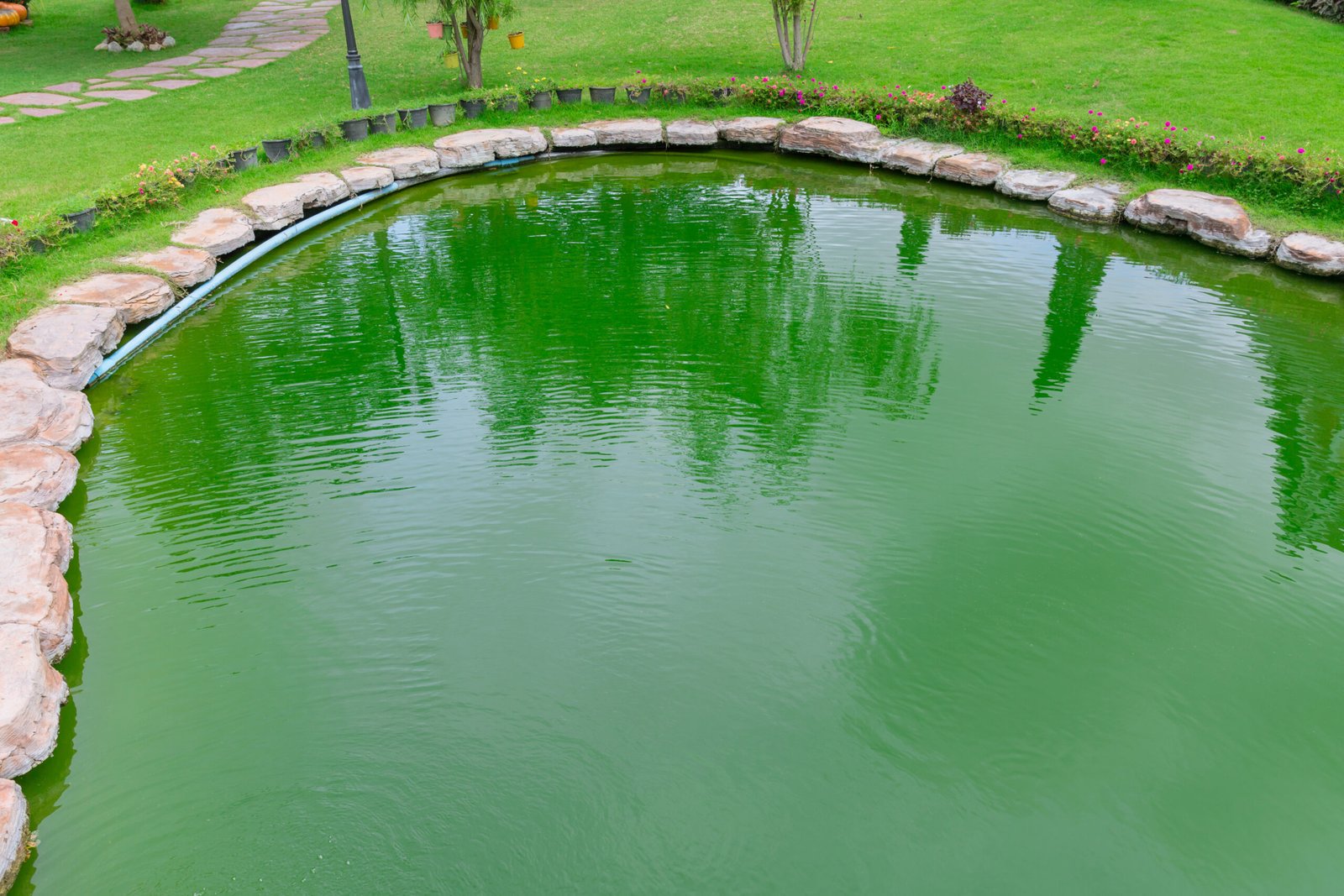
Many koi ponds are fitted with a UV clarifier (UVC) to control green water. A UVC only works effectively when water is pumped through it at the correct flow rate. While a single pass may not eliminate all free-floating algae, constant circulation ensures long-term clarity.
In larger koi systems, the total filter flow may exceed the optimal flow rate of the UV unit. In these cases, it’s often better to divert part of the main pump flow through the UVC or install a smaller, dedicated pump to power the ultraviolet unit separately. This avoids bottlenecks that restrict overall circulation.
Aeration and Circulation via Venturi Systems
In gravity-fed filtration setups — where filter chambers sit at the same water level as the pond — a submersible return pump can be used creatively.
By returning water through a venturi system, air is drawn into the water stream under pressure. The result is vigorous surface aeration, improving dissolved oxygen levels and supporting koi health. This approach combines circulation and aeration in one efficient system.
Aesthetic Uses: Waterfalls and Fountains
Although koi ponds tend to prioritise function over ornamentation, pumps can also enhance visual appeal.
-
Waterfalls are common in koi ponds, especially where excavation spoil is shaped into a raised feature. A waterfall requires a higher flow rate to achieve a natural, full-width cascade rather than a disappointing trickle.
-
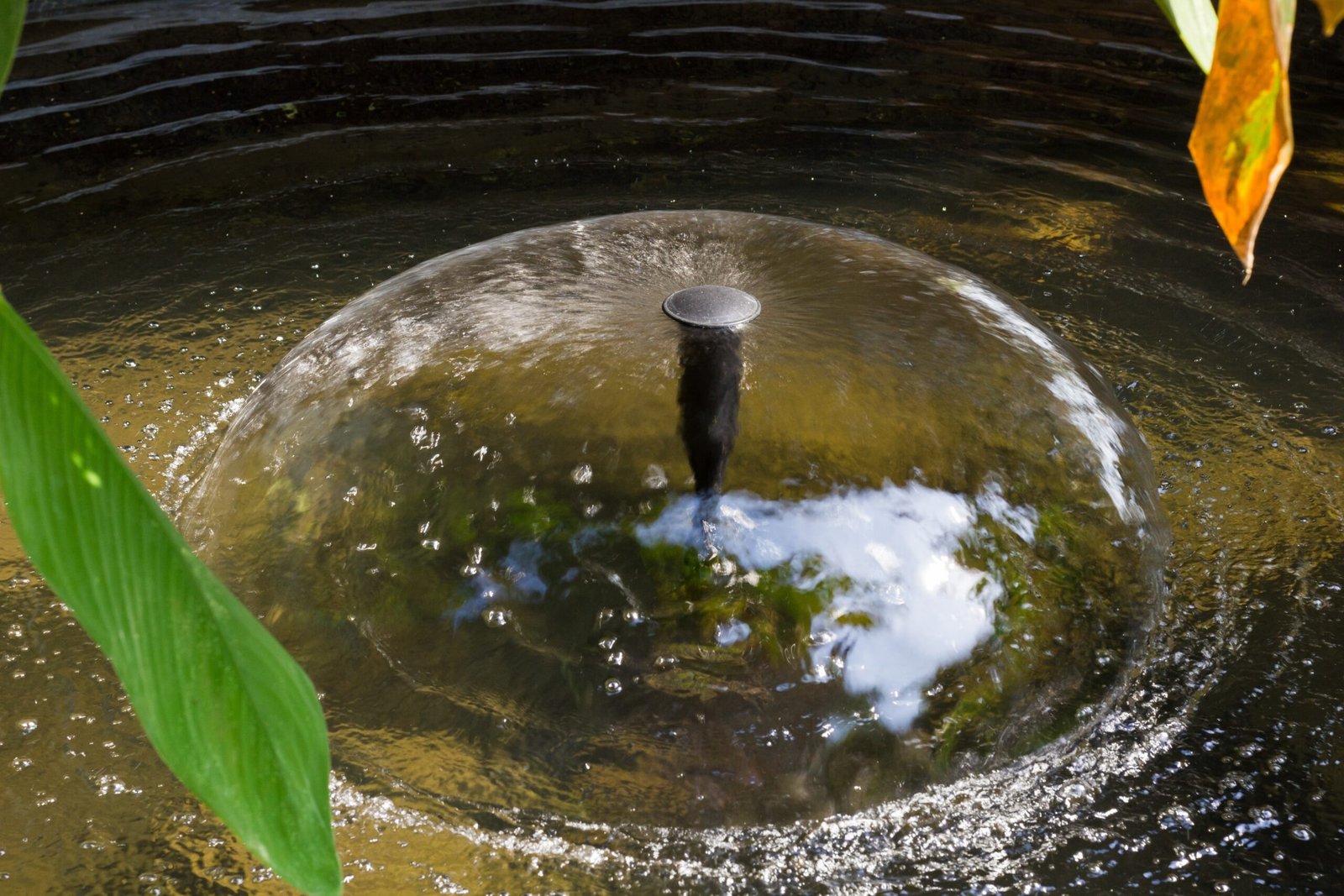
Fountains are less common in dedicated koi ponds but can still be incorporated with suitable flow control and jet fittings.
If installing a waterfall, always size the pump to account for head height and flow reduction.
Pond Pump Design – Choosing the Right Pump for Your Koi Pond
When designing a koi pond system, selecting the correct pump is one of the most important decisions you’ll make. The pump drives circulation, feeds the filter and UV system, and ultimately protects water quality. There are two main types of pond pump available to koi keepers: external pumps and submersible pumps.
Understanding the difference is key to making the right investment.
1. External (Surface-Mounted) Pond Pumps
External pond pumps are installed outside the pond and must be kept dry, usually housed in a protective pump chamber or small shed. Water is drawn from the pond via rigid suction pipework and pushed through an external filter system.
These pumps are often described as swimming pool-style pumps and are typically used in larger or more specialised koi pond systems where high flow rates and pressure are required. They are particularly important when operating sand pressure filters, as they are capable of generating the higher pressures needed.
For the average garden pond, external pumps represent a smaller share of the market, but for advanced koi installations, they can be indispensable.
2. Submersible Pond Pumps
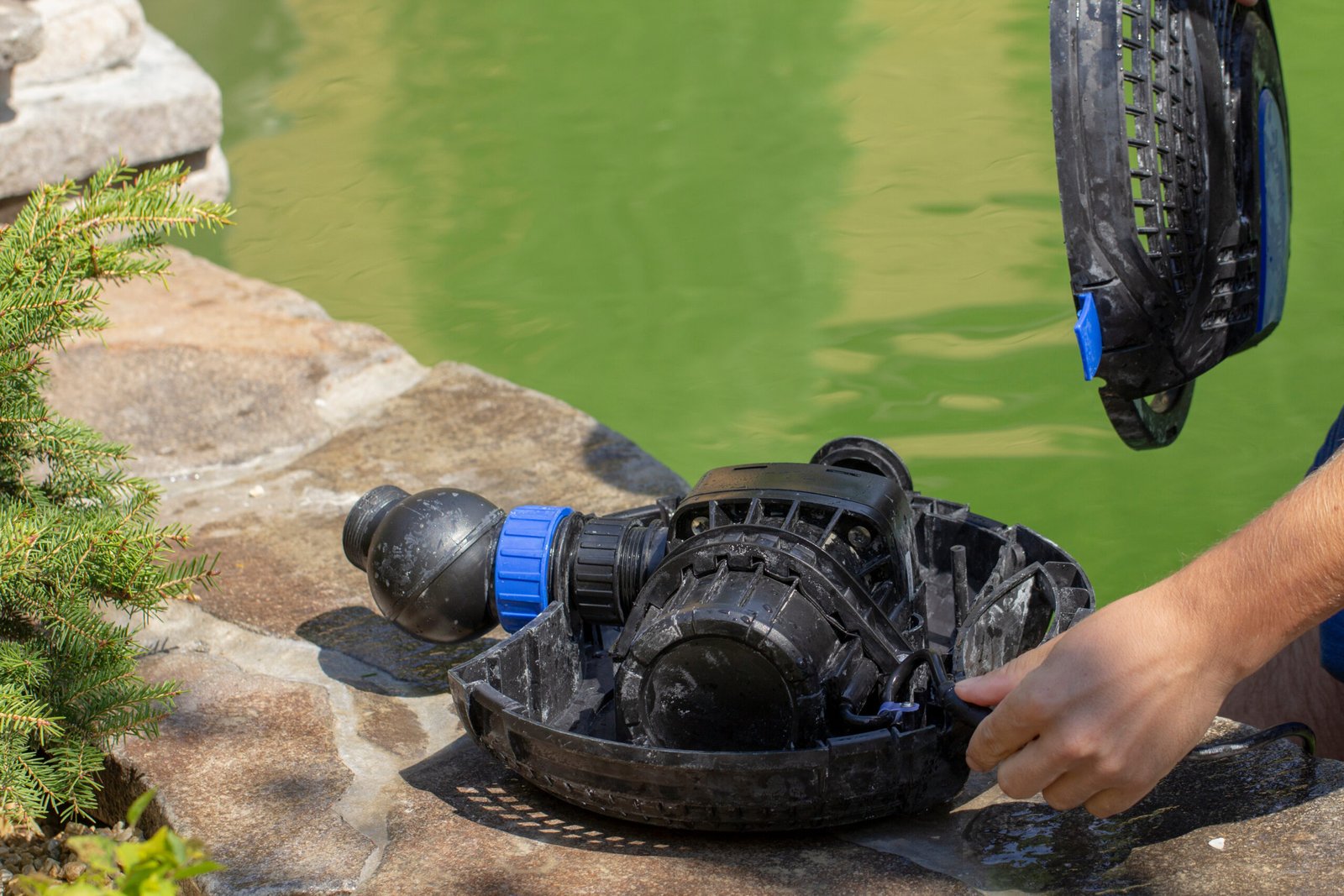
Submersible pumps are by far the most common choice for koi ponds and garden ponds. Installed directly in the pond or final filter chamber, they are compact, easy to fit and highly versatile.
They are available in sizes ranging from small fountain pumps to high-capacity units capable of running a koi filter system and waterfall simultaneously.
Modern submersible pumps are designed with safety as a priority. The only moving component is usually the magnetic impeller assembly, driven by an internal electromagnet. All electrical components are sealed in hardened resin and enclosed within a robust, watertight casing.
Most models run on 220–240v mains power and should always be connected via an RCD (Residual Current Device) for added safety. Some manufacturers offer low-voltage alternatives powered by a transformer, reducing electrical risk in the pond itself — although this introduces the need to safely site the transformer.
Key Factors to Consider Before Buying a Pond Pump
Choosing the right pump isn’t guesswork. You’ll need several essential pieces of information before purchasing.
1. Pond Volume (Including the Filter System)
As a rule of thumb, the entire pond system volume should turn over at least once every two hours.
For example:
A 3,000-gallon koi pond requires a pump delivering at least 1,500 gallons per hour.
However, manufacturer flow rates are usually quoted under ideal conditions — clean pipework, no head height, and zero restriction. Real-world performance will always be lower, so plan accordingly.
2. Head Height (The Work the Pump Must Do)
As soon as water is pumped upwards — to a filter, waterfall or raised return — the flow rate decreases. The vertical lift between the pond surface and the highest return point is known as “head.”
For instance, if your 3,000-gallon pond needs 1,500 gallons per hour and your waterfall sits 3 feet above water level, you must choose a pump capable of delivering 1,500 gallons per hour at 3 feet of head — not at zero head.
Underestimating head is one of the most common mistakes in pump selection.
For waterfalls specifically, a realistic flow requires approximately 500 gallons per hour for every 6 inches of waterfall width. If the pump cannot supply this, you’ll end up with a trickle rather than a proper cascade.
The golden rule?
It’s easier to reduce flow than to increase it. When in doubt, size up.
3. Metric vs Imperial Measurements
Many pumps are rated in litres per minute rather than gallons per hour. When comparing models, ensure you’re converting correctly:
1 gallon = 4.54 litres
Failing to compare like-for-like figures can result in underpowered systems.
4. Pipework and Flow Resistance
Pipe diameter and layout significantly influence pump performance.
-
Use the manufacturer’s recommended pipe diameter
-
Avoid reducing hose-tail fittings where possible
-
Minimise elbows and sharp bends
-
Use sweeping curves in flexible hose
Poor pipework design can reduce flow dramatically — even with a correctly sized pump.
5. Power Consumption and Running Costs
Since most koi pond pumps operate continuously (especially in heated systems), electricity usage matters.
Power is measured in watts. Higher wattage doesn’t always mean better performance — some modern energy-efficient pumps outperform older, power-hungry models.
Over several years, the difference in running costs between two pumps can exceed the purchase price of a new unit. Efficiency pays.
6. Warranty and Reliability
Most quality pond pumps now come with extended warranties of up to three years. With proper installation and maintenance, they often exceed this lifespan comfortably.
Pumps are most likely to fail if:
-
Switched on and off frequently
-
Run dry
-
Blocked by blanketweed or debris
-
Installed with restrictive pipework causing high back pressure
Modern solids-handling pumps (capable of passing debris up to 10mm) are particularly suitable for koi ponds where plant debris is minimal.
In gravity-fed systems where the pump sits in the final chamber, blockages are rarely a problem.
7. Additional Safety Features
Many modern submersible pumps include built-in protections:
-
Float switches that shut the pump off if water levels drop
-
Thermal cut-out switches that prevent overheating
These features can prevent costly burnouts and protect your pond system.
Final Thoughts on Choosing a Koi Pond Pump
A pond pump is not just an accessory — it is the engine room of your koi pond. It feeds the filter, supports biological balance, drives UV clarification and maintains oxygen levels.
Choose your pump based on accurate pond volume and true head height requirements. Prioritise efficiency, reliability and correct installation.
Done properly, a well-selected pond pump will quietly safeguard your koi pond for years — and may even save you money in the long run through reduced running costs and fewer system failures.