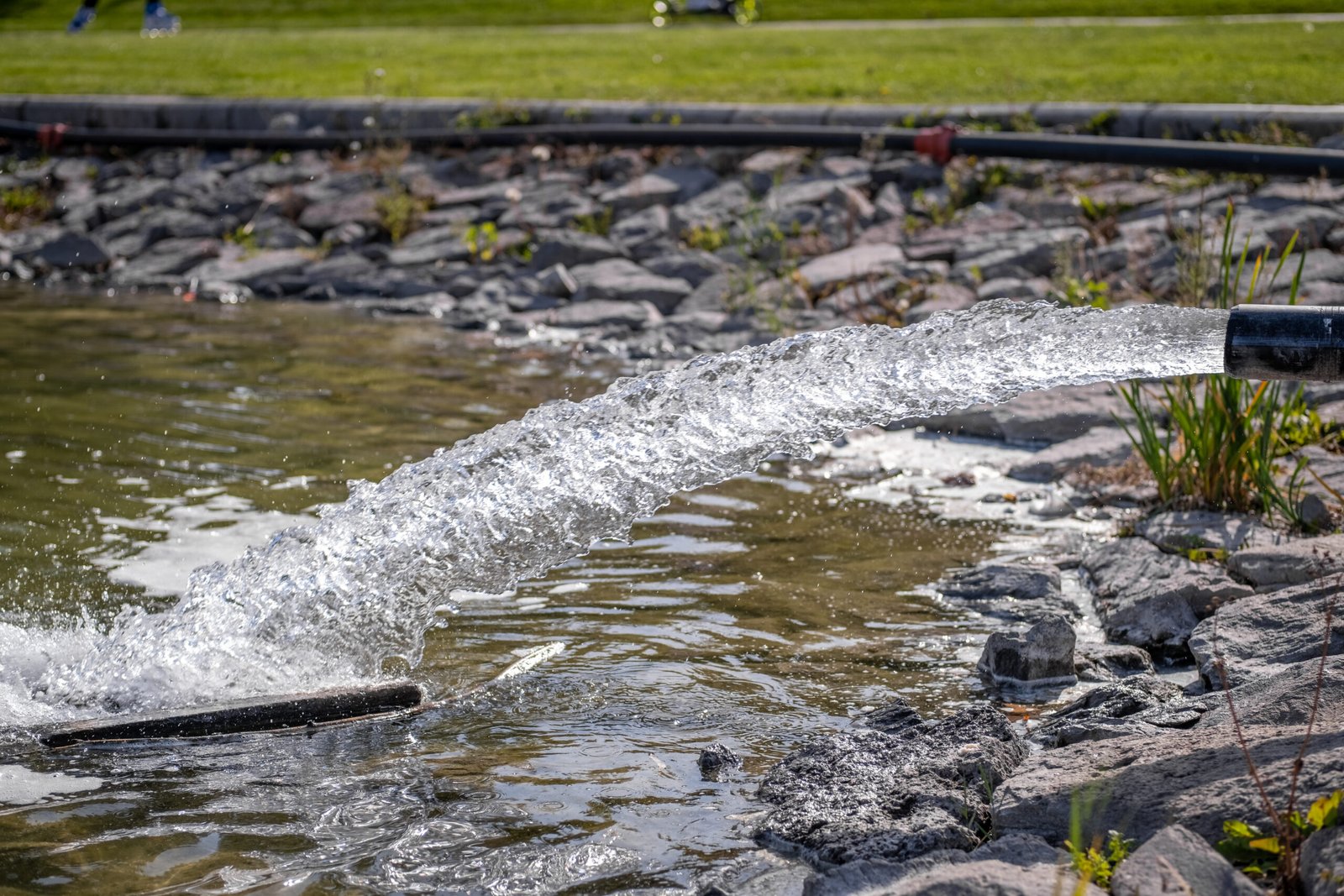
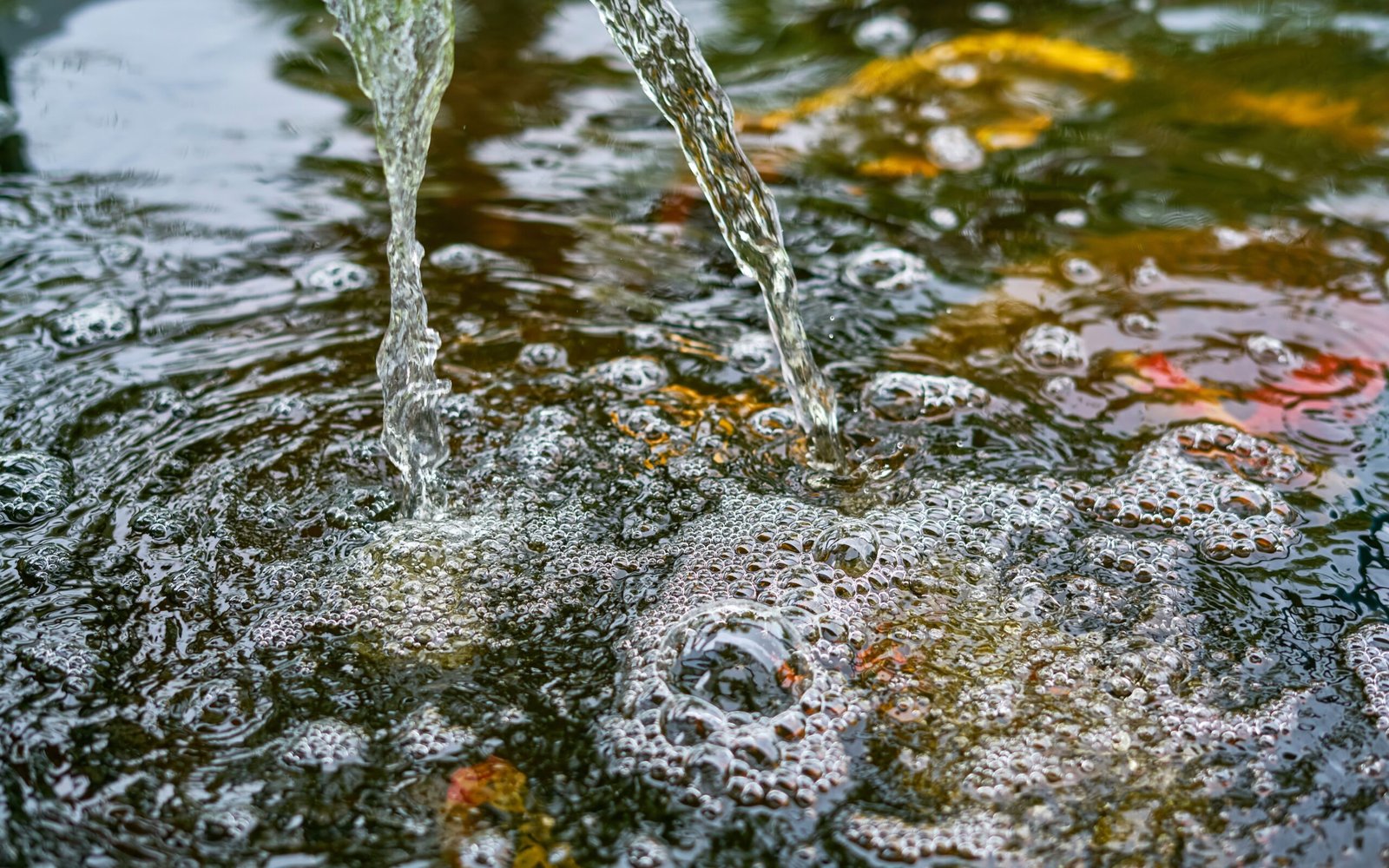
Crystal clear pond water

Crystal clear pond water. Is it fantasy or reality?
Green Water and Blanket Weed – Controlling Pond Algae Effectively
The most common pond problem rarely starts with fish — it begins with algae. Unwanted plant growth such as green water and blanket weed affects the majority of garden ponds at some point during the season. If your pond turns green, you are far from alone. The key is early intervention before algae dominates the system.
Most ponds will suffer either green water, blanket weed or a combination of both during the warmer months. Understanding why algae appears — and how to control it — is essential for maintaining clear pond water and a balanced ecosystem.
Green Water – Is It Really That Harmful?
Green water is caused by microscopic single-celled algae suspended in the water column. Visually, it can turn a clear pond into what looks like pea soup. For many pond keepers, the frustration comes from losing visibility of their fish.
However, green water is not inherently dangerous. In fact, commercial breeders of ornamental fish such as koi and goldfish often encourage green water in rearing ponds. It provides natural shading, reduces stress and supports plankton populations that benefit fry development.
The real issue with green water is aesthetic, not toxic. It affects enjoyment rather than fish health.
Why Green Water Appears in Spring and Summer
During winter, ponds often become crystal clear. Cold water temperatures and short daylight hours suppress algae growth. But as spring arrives and day length increases, conditions rapidly shift.
Warmer water combined with accumulated nutrients — especially nitrates and phosphates — creates ideal conditions for algae blooms. Algae reproduce at extraordinary speed. A few dormant cells can multiply into millions within days once temperature and sunlight increase.
Smaller ponds are affected first because they warm more quickly than deeper bodies of water. As algae density increases, water clarity drops dramatically, much like fog forming from fine droplets.
Preventing green water requires thinking like a gardener tackling weeds. Control methods generally fall into three categories: shading, competition or elimination.
Control Methods for Still Garden Ponds
Shading the Pond
Reducing direct sunlight is one of the simplest and most effective algae control strategies. Pergolas, shade sails or greenhouse shading mesh can dramatically limit light penetration.
Within the pond itself, floating plants and water lilies can provide natural surface coverage. Some pond keepers use vegetable-based pond dyes that tint the water blue or black, limiting light penetration without harming fish. Shading works by depriving algae of the energy they require to multiply.
Chemical Algaecides
Algaecides are designed to kill green water and blanket weed. They can be effective but must be used carefully and precisely according to dosage instructions. Overuse can stress fish and damage desirable plants. Chemical treatment is more suitable for plant-free or minimally planted ponds.
Competitive Planting
A more natural long-term solution is encouraging strong growth of desirable aquatic plants. Healthy marginal plants, submerged oxygenators and lilies compete with algae for nutrients and sunlight.
A fully balanced planted pond may take several seasons to mature, but as plant biomass increases, algae often declines naturally. Mature water bodies rarely experience severe algae problems because nutrient competition stabilises the ecosystem.
Barley Straw
Barley straw is a traditional biological treatment for green water and blanket weed. As it decomposes, it releases compounds that inhibit algae growth. This method is gradual and can take several weeks or months to show full effect. It relies on bacterial activity and is best used preventatively rather than as an emergency fix.
Beneficial Bacteria
Modern bacterial treatments introduce beneficial strains that consume excess nutrients before algae can use them. Regular weekly dosing helps reduce nitrate and phosphate availability, gradually limiting algae fuel. This approach supports long-term nutrient management rather than instant clarity.
UV Clarifiers – The Most Reliable Solution for Filtered Ponds
For ponds with pumps and filtration systems, an ultraviolet clarifier (UV-C unit) is the most reliable method of controlling green water. Water is pumped through the UV chamber, where ultraviolet light disrupts algae cells. The damaged cells then clump together and are removed by the mechanical filter.
UV clarifiers are highly effective when correctly sized for the pond volume. Running costs are low, with the primary maintenance requirement being annual bulb replacement — ideally in spring before peak algae season.
Unlike chemical treatments, UV systems do not introduce substances into the pond and are safe for fish and plants.
Avoid the Tap Water Trap
If green water appears, resist the temptation to drain and refill the pond with tap water. Fresh tap water often contains nutrients that will fuel another algae bloom. Within weeks, the pond may turn green again, putting you back at the starting point.
Managing Blanket Weed
Green water and blanket weed often alternate dominance. When green water is controlled, clearer water allows sunlight to penetrate more deeply, encouraging filamentous blanket weed to grow.
Manual removal, controlled shading, nutrient management and selective treatments are all part of balanced blanket weed control. Total eradication is unrealistic; controlled presence is a more sensible goal.
Clear Water Is Achievable
Green water is one of the most common pond algae problems, but it is also one of the most manageable. Whether you choose shading, competitive planting, bacterial nutrient control or a UV clarifier, the key is consistency and early action.
With the right approach, your pond can remain clear, healthy and visually rewarding throughout the growing season — without compromising fish welfare or ecological balance.