Filters for garden ponds

Choosing the right pond filter for your garden pond.
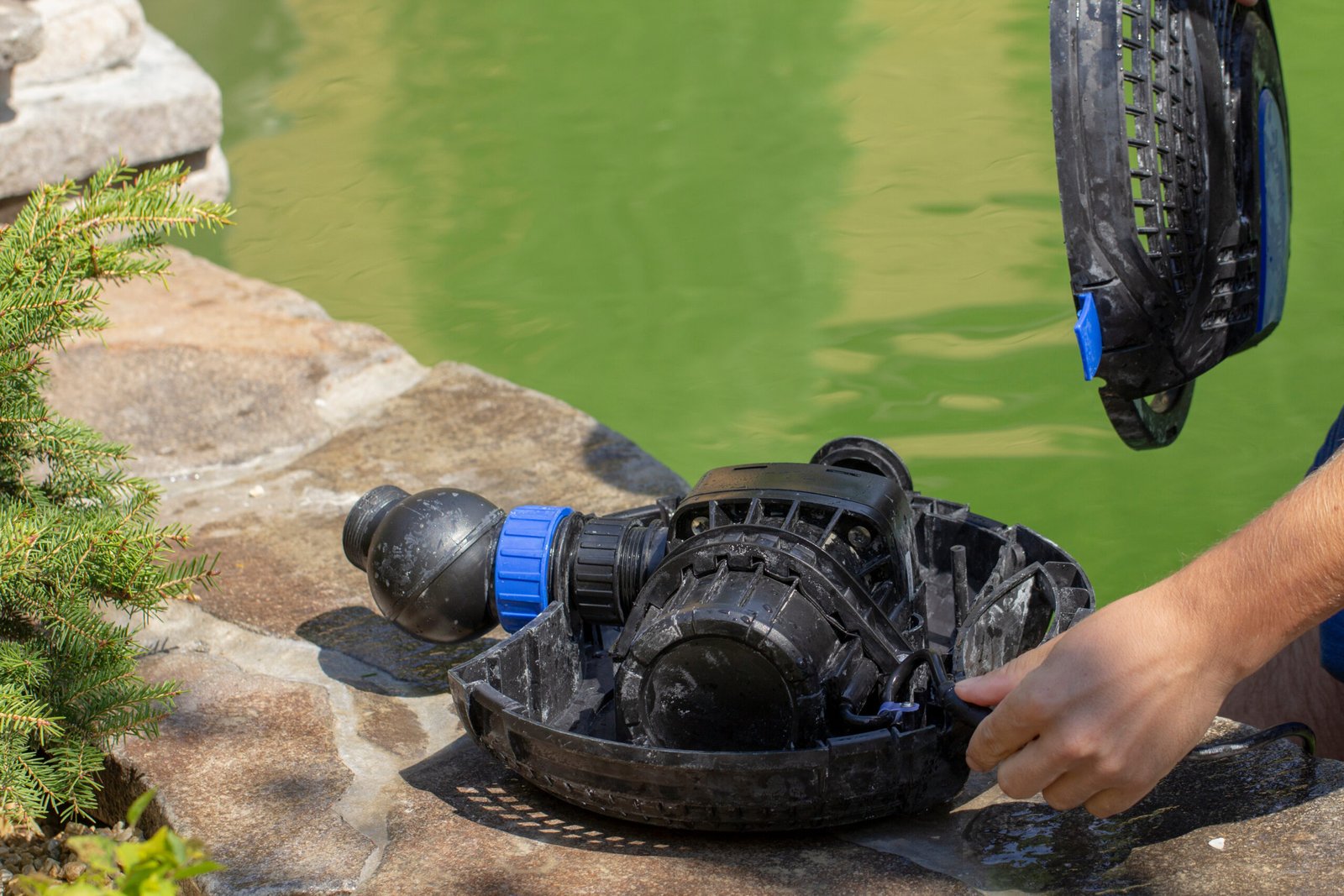
If you drive a car, you will probably fall into one of two categories: those who prioritise appearance and driving experience, and those fascinated by what lies beneath the bonnet. I belong firmly to the first group and struggle to remember the last time I lifted the bonnet to inspect the engine. Garden pond filtration is remarkably similar.
Admirers of a beautiful pond are captivated by the tranquillity of cascading water and shoals of colourful fish gliding through the depths. Few consider what is happening behind the scenes to create such an impressive display. If the “bonnet” were lifted and the pipework and filter units revealed, the illusion of effortless perfection might fade. That, however, is precisely the role of a pond filter — the backroom hero working quietly to sustain a thriving pond.
Does Every Pond Need a Filter?
An engine is essential to a car’s performance, but does every pond require a filter? Not necessarily.
When a Pond Filter Is Optional
If your goal is to recreate a natural wildlife habitat and attract frogs, insects and birds, your pond may not require a filter. Wildlife ponds are lightly stocked — often with no fish at all — and rely heavily on dense planting to maintain natural balance. In such environments, plants and microorganisms provide sufficient filtration.
A filter may also be optional if your pond sits somewhere between a wildlife pond and a heavily stocked ornamental fish pond, with a pump installed simply to provide occasional water movement rather than full circulation.
Do I Need a Filter?
If your pond contains fish, the answer is usually yes.
Fish excrete waste that becomes toxic if allowed to accumulate. We recognise the link between sanitation and health in human environments and use water treatment systems to protect ourselves. Fish face the same risks in confined water. Without intervention, waste builds up and water quality deteriorates, leading to stress and disease.
Natural vs Artificial Balance
In natural bodies of water such as rivers, lakes and oceans, fish populations are extremely light relative to water volume. Waste disperses naturally and ecosystems remain self-sustaining.
Garden ponds are different. They are typically stocked far more densely than nature would allow. The water volume is limited, feeding is regular, and waste accumulates quickly. This artificial environment requires artificial support — namely, effective filtration.
Fortunately, modern garden pond filters are compact, affordable and easy to install. Many units will fit comfortably in the boot of a car. However, adequate filtration cannot be achieved by relying solely on the small foam pre-filter attached to a pump. That component merely protects the pump impeller; it does not maintain water quality.
What Are the Benefits of Filtering a Pond?
Most new garden ponds are filtered because of the significant advantages for both fish and pondkeepers.
A. Healthier Fish
A filter removes solid debris such as fish waste, uneaten food and garden material. More importantly, it matures into a biological support system for beneficial bacteria. These bacteria break down toxic dissolved waste, preventing ammonia and nitrite from reaching harmful levels.
B. Clearer Water
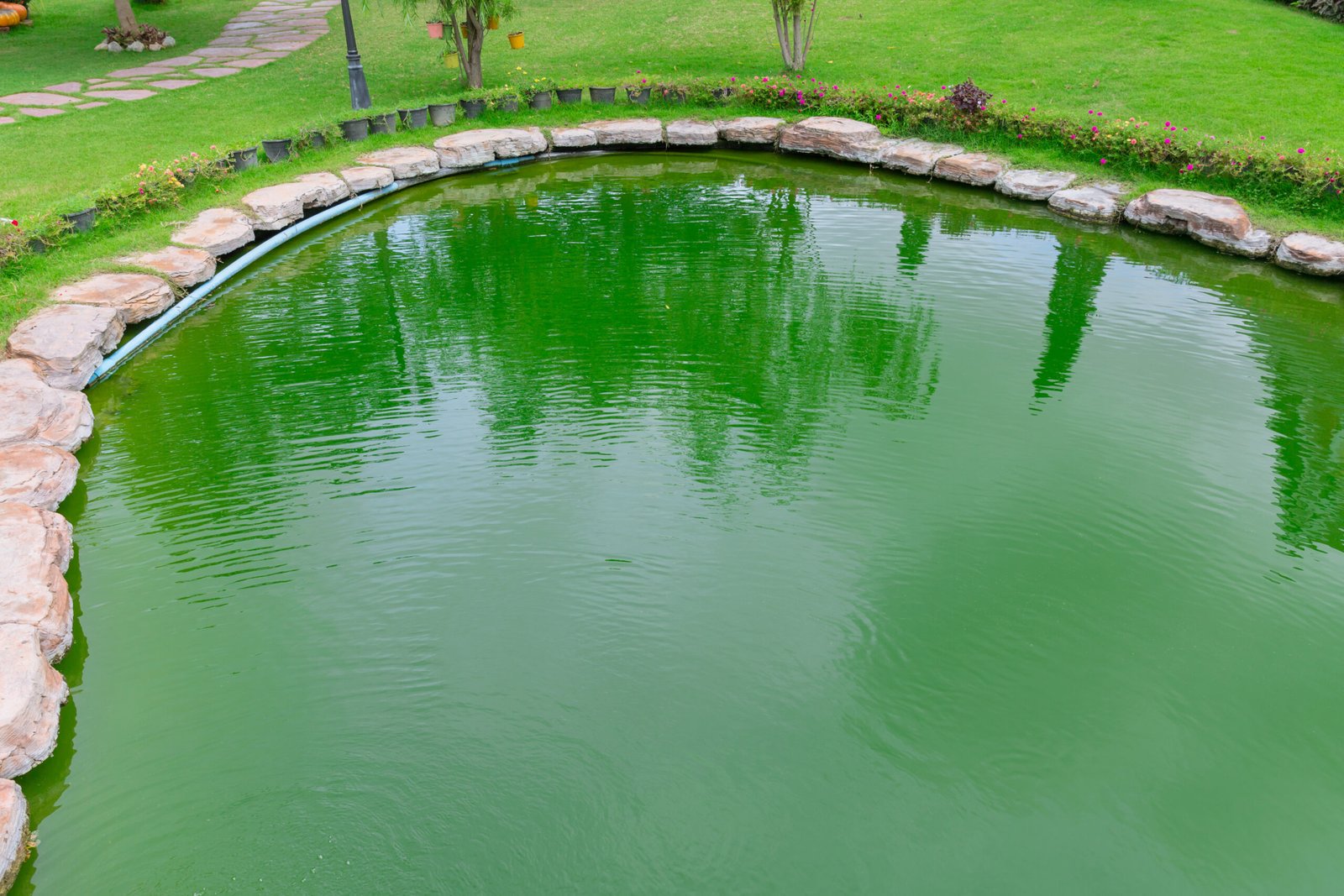
Water that circulates is usually better oxygenated. Filtration also allows the installation of an ultraviolet clarifier (UVc) between the pump and filter. A UVc causes microscopic algae responsible for green water to clump together. The filter then removes these clumps, producing clear water. Without a filter, the algae would simply recirculate, creating what looks like a green snowstorm.
C. Peace of Mind
A biofilter increases a pond’s capacity to safely hold fish. In practical terms, this allows for higher stocking levels and more confident feeding, with reduced risk of water pollution. The filter performs much of the work that natural ecosystems handle in the wild.
D. Reduced Maintenance
A submersible pump positioned on the pond bottom continually directs debris into the filter. With regular filter maintenance, sediment build-up in the pond is minimised, postponing the need for major clean-outs for years.
Choosing the Right Filter
Before purchasing a filter, consider two key factors.
A. Pond Size
Filters are rated according to pond volume. Most garden ponds are under 1,500 gallons, and filters are commonly sized in 500-gallon increments — under 500 gallons, 1,000 gallons and 1,500 gallons. Always choose a filter rated appropriately for your pond’s volume.
B. Fish Type and Stocking Density
A lightly stocked pond with mixed species requires less filtration than a densely stocked koi pond. Koi filters are larger and often divided into multiple chambers to handle increased waste. Standard garden pond filters are typically smaller and consist of a single chamber.
Filter Options
1. Internal Filters
Internal filters sit inside the pond and are generally suitable only for smaller installations. They should not be confused with pump strainers that protect the impeller. Internal filters often consist of large foam blocks that replace the pump’s intake guard. They are easy to install and discreet but can clog quickly, reducing pump output. Cleaning them may also disturb pond life.
2. External Filters
External filters are positioned outside the pond and are either pump-fed or gravity-fed.
Pump-fed single-chamber filters — trickle or pressurised — are the most widely used. They are easy to retrofit and suitable for ponds up to around 1,500 gallons. Pressurised filters can be buried underground for discreet installation, returning water via hose directly to the pond or through a waterfall. They may require more frequent cleaning due to debris build-up.
Gravity-fed systems represent the premium option. Designed for large, heavily stocked koi ponds, they consist of multiple chambers separating mechanical and biological functions. These systems must be incorporated into the pond’s design and can be expensive, often appealing to serious koi enthusiasts.
How Does a Pond Filter Work?
A pond filter performs two complementary functions:
-
Solids removal (mechanical filtration)
-
Biological filtration
Function 1 – Solids Removal
The first stage removes solid debris ranging from fallen leaves to fine suspended particles. Mechanical filtration is often the limiting factor in a filter’s efficiency and should occupy significant filter space.
Standard external box filters use layers of foam from coarse to fine. As water passes through, larger particles are trapped first, followed by smaller debris. This staged process protects the biological media from clogging.
Pump intake guards help prevent large debris from damaging the impeller but do not replace proper filtration.
Clear Isn’t Always Healthy
Clear water is visually pleasing but not necessarily safe. Mechanical filtration improves appearance, yet invisible toxins remain the greater threat.
Ammonia and nitrite are colourless and undetectable by sight, yet highly toxic to fish. These compounds are addressed through biological filtration.
Function 2 – Biological Filtration
After solids are removed, water enters the biological stage. A biofilter is a living system colonised by millions of beneficial bacteria. These bacteria convert toxic ammonia into nitrite, and then into less harmful nitrate.
Bacteria naturally colonise hard surfaces throughout the pond, but a biofilter provides a vast surface area for bacterial growth — replicating the conditions found across the floor of a natural lake or riverbed.
Keeping the Filter Alive
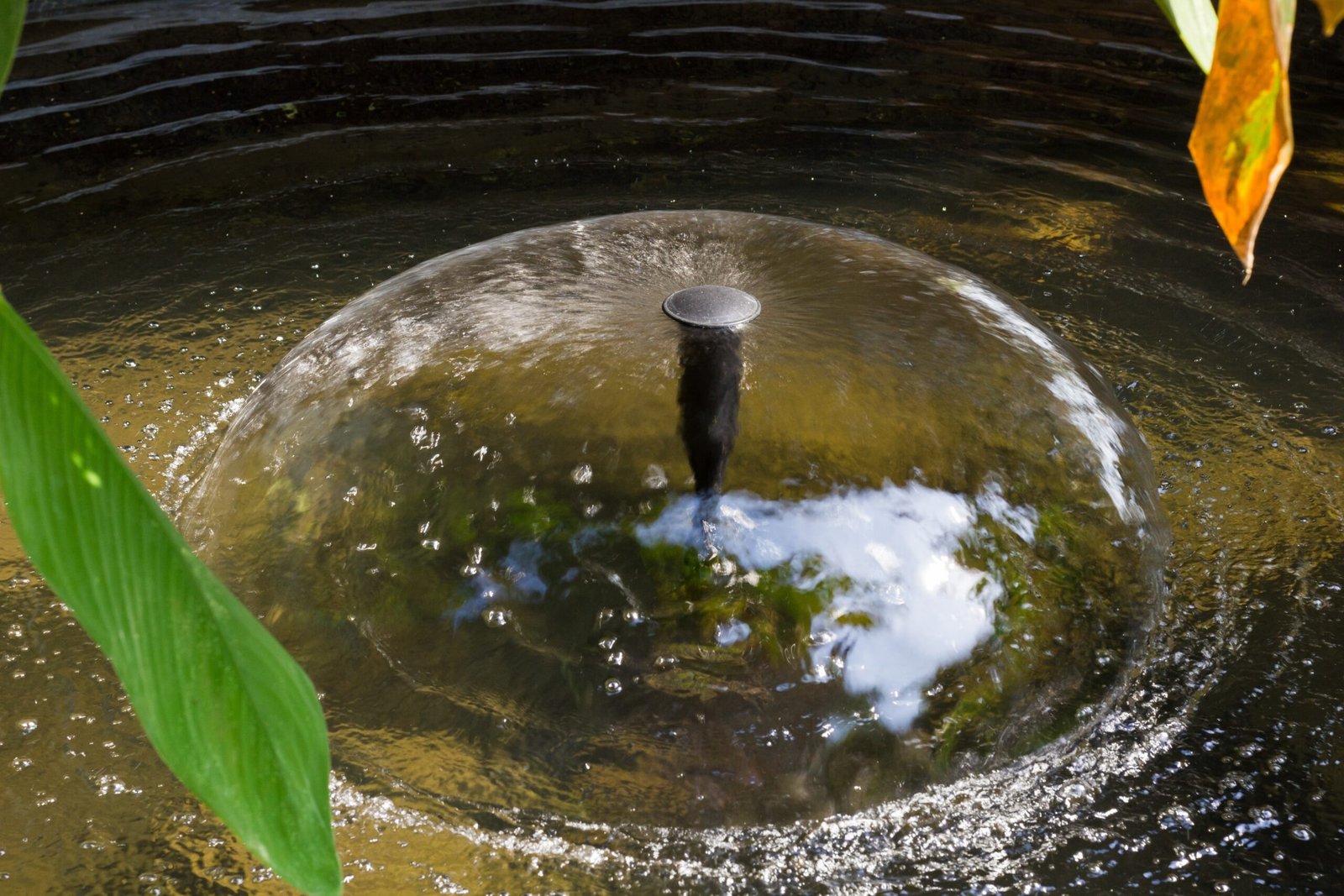
Because biological filtration depends on living bacteria, the system must run continuously. The steady flow of water supplies ammonia (food) and dissolved oxygen. Ideally, the entire pond volume should circulate through the filter at least once every two hours.
New filters take time to mature. Fish should be introduced gradually, allowing bacterial colonies to adjust to increasing waste levels. Overstocking too quickly can cause ammonia spikes, leading to stress and disease.
Watch Nitrite as Well as Ammonia
Aerobic (oxygen-loving) bacteria convert ammonia into nitrite. Nitrite is still toxic and can be more persistent than ammonia during water quality problems. Monitoring both is essential during the filter’s maturation period.
Maintenance
A pond filter should be treated like a living system. Without water flow and oxygen, bacterial colonies will decline.
Mechanical media, especially foam, should be cleaned regularly during warmer months when waste accumulates quickly. Care must be taken not to disrupt the biological stage.
When cleaning foam or biological media, always rinse using buckets of pond water rather than tap water. Chlorine and sudden changes in water chemistry can damage beneficial bacteria and set the filter’s maturity back significantly.
With proper care and understanding, a pond filter will quietly and efficiently support a healthy, balanced aquatic environment — the hidden engine that keeps your pond running smoothly.