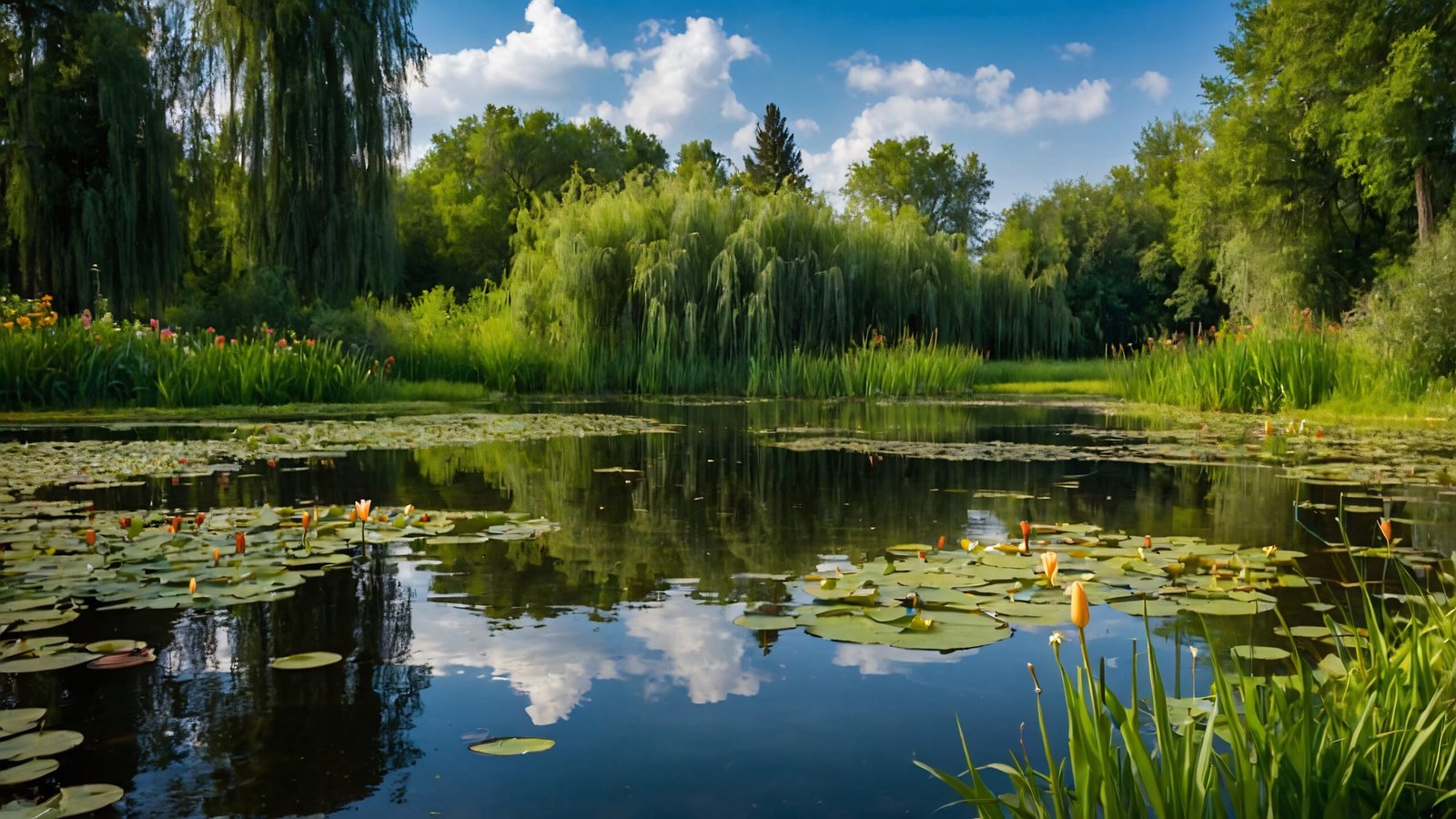
Winter pond maintenance.

Winter pond maintenance.
Winter Pond Care – How to Protect Pond Fish During Cold Weather
A relaxed approach to pond maintenance may be acceptable in winter, but a few simple precautions can make the difference between losing fish and seeing them thrive again in spring. Winter pond care is less about constant intervention and more about understanding what naturally happens beneath the surface — and avoiding unnecessary disruption.
What Happens to Pond Fish in Winter?
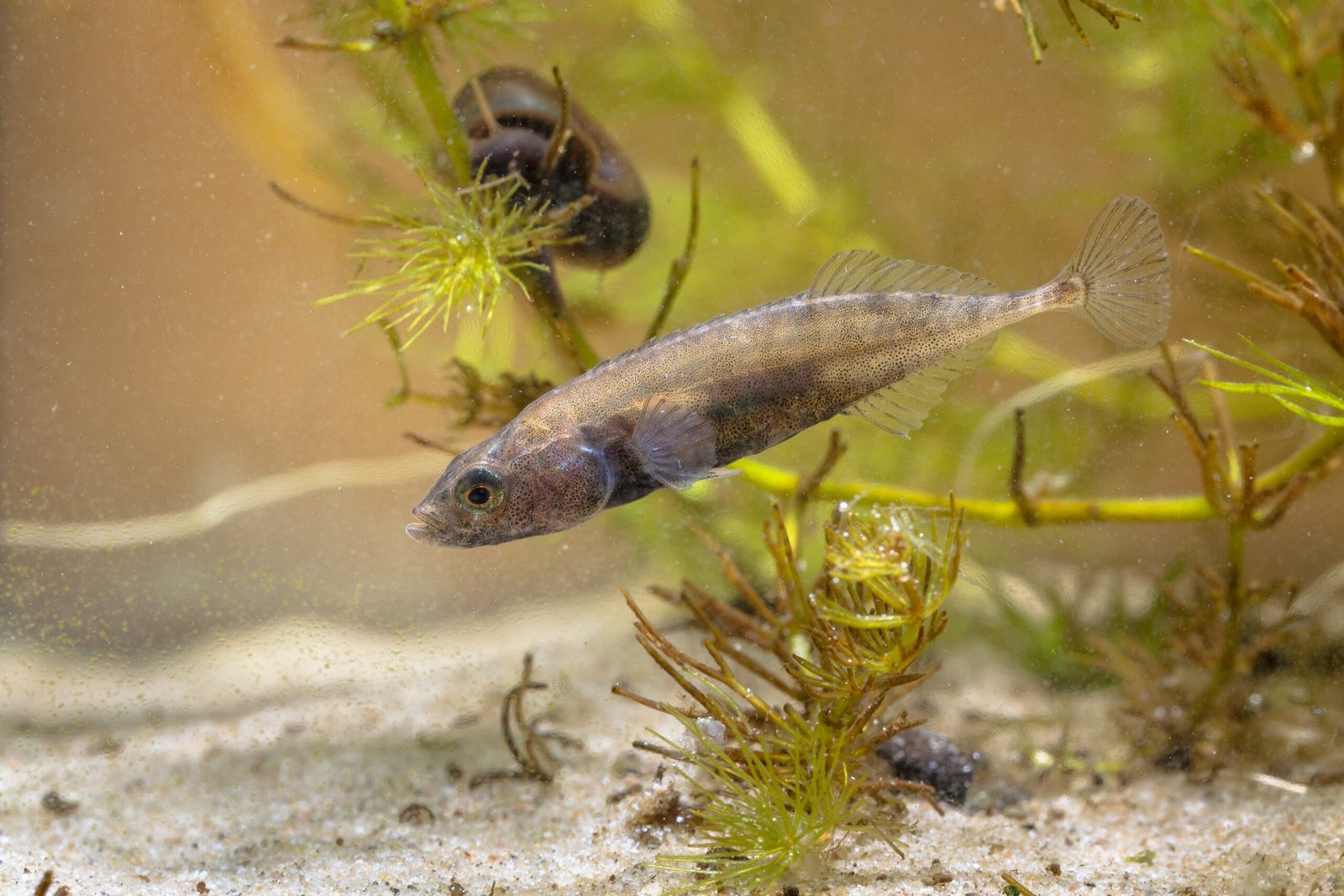
Most common pond fish — including koi, goldfish, comets, shubunkins and orfe — are descendants of carp and are naturally adapted to overwintering in the UK climate.
Because fish are cold-blooded, their body temperature mirrors that of the surrounding water. As water cools gradually from autumn into winter, their metabolism slows accordingly. Activity decreases, feeding stops, and energy use drops dramatically.
In fact, carp physiology is specifically designed for winter survival. As day length shortens in autumn, fish instinctively increase feeding (while temperatures allow) to build energy reserves. By the time water temperatures fall below 8°C, fish settle near the pond bottom and effectively enter a state of semi-dormancy, not feeding again until spring temperatures consistently rise above that threshold.
When this seasonal transition is gradual — as it usually is — pond fish cope extremely well.
Why Pond Depth Matters in Winter
A pond depth of at least 3 feet (90cm) is strongly recommended for overwintering fish safely. Depth provides thermal stability and protection from freezing air temperatures.
Water behaves unusually as it cools. It becomes denser until it reaches 4°C — then becomes lighter again as it approaches freezing. This means the densest (and therefore warmest) water settles at the pond bottom, typically around 4°C, while colder water and ice form above it.
Fish instinctively take refuge in this deeper, more stable layer. In sufficiently deep, undisturbed ponds, this creates a natural winter sanctuary.
Winter Water Quality
Contrary to popular belief, winter water quality is often at its best.
With feeding stopped and fish metabolism slowed, ammonia production is minimal. Biological filtration also slows at low temperatures, but because waste production is low, ammonia and nitrite issues are rare during true winter dormancy.
Cold water also holds more dissolved oxygen than warm water, and algae growth is suppressed due to reduced sunlight and low temperatures. As a result, green water problems virtually disappear until spring.
However, one major exception is leaf fall and organic debris.
Managing Autumn Leaf Fall
Even in cold conditions, leaves and plant matter will slowly decompose, releasing organic acids and nutrients. If significant debris accumulates, water quality can deteriorate over winter.
Preventative action is simple:
-
Stretch a fine mesh pond net securely over the pond before heavy leaf fall.
-
Remove any fallen debris with a hand net.
-
Do not worry about a light layer of silt — fish often rest comfortably on soft substrate during winter.
Should You Run Your Pump and Filter in Winter?
This is one of the most common winter pond care questions.
Because fish produce very little waste in winter, filtration is less critical. In fact, continuous circulation can sometimes do more harm than good.
Running a pump may:
-
Mix colder surface water with warmer bottom water, removing the fish’s thermal refuge.
-
Chill the pond further if water passes over waterfalls or exposed features.
Many pond keepers choose to switch off pumps during the coldest months. If you do:
-
Drain pipework to prevent frost damage.
-
Restart the system in late February or early March to allow the filter to re-mature before feeding resumes.
If you keep the system running, consider reducing flow and bypassing waterfalls to avoid excessive chilling.
Managing Ice on the Pond
Ice itself does not harm fish directly. The real issue is gas exchange.
A completely sealed ice surface prevents oxygen from entering and carbon dioxide or other gases from escaping. In heavily stocked or debris-rich ponds, this can cause problems.
Never smash ice with a hammer or brick. The shock waves transmitted through water can severely stress or even injure fish.
Instead:
-
Melt a hole using hot water.
-
Install a low-wattage pond heater to maintain a small ice-free opening.
-
Alternatively, use a thermostatically controlled pond heater and “fit and forget” through winter.
Winter Pond Dos and Don’ts
Do:
-
Keep a small ice-free hole for gas exchange.
-
Use a fine mesh net to prevent leaf accumulation.
-
Ensure the pond is deep enough for safe overwintering.
-
Consider a preventative health treatment in early spring when temperatures first rise.
Don’t:
-
Panic — healthy pond fish can survive 150+ days without food in winter.
-
Smash ice.
-
Run aeration continuously at depth during freezing weather (it mixes and chills the entire pond).
-
Feed during isolated warm spells between November and February. Even if fish appear active, prolonged cold will return and undigested food can cause serious problems.
Final Thoughts on Overwintering Pond Fish
Winter is not a crisis period — it is a natural rest phase. Provided fish entered winter in good condition, your main job is simply to avoid disturbing the thermal stability of the pond and to prevent leaf-related water quality decline.
With sensible winter pond maintenance, your fish will greet you in spring healthy, rested and ready for another season of growth.