Help – my new house has a pond!

What to Do When You Move House and Inherit a Garden Pond
Moving house can come with surprises you never planned for. Sometimes it’s a pet that appears out of nowhere, sometimes a life event you didn’t see coming — and sometimes it’s an ornamental pond sitting in the garden of your new home. Plenty of people become pond keepers by accident, buying a property described as having “mature gardens and an established pond”, only to discover they’ve inherited far more than a decorative water feature. It can quickly raise practical questions: should you keep the pond or fill it in, is it safe for children, does it contain fish, and what do you do if it’s neglected, leaking or full of sludge? The good news is that you have options, and with a little structure you can work out whether the pond is a keeper, a renovation project, or something to remove.
Should You Fill the Pond In?
Filling in a pond is possible, but it’s rarely the quick win people imagine. You may need a large volume of soil, and unless the original excavation spoil is still piled nearby (often used to create a rockery or waterfall), you’ll need to source it from elsewhere. Then there’s the practical headache of shifting rocks, edging, paving and any heavy landscaping that’s been built around it. Once the pond is filled, it’s also worth remembering you’ve removed a feature that likely added value and interest to the garden. If you later change your mind, reinstating a pond typically costs far more than maintaining or refurbishing the one you inherited.
Why Keeping the Pond Often Makes Sense
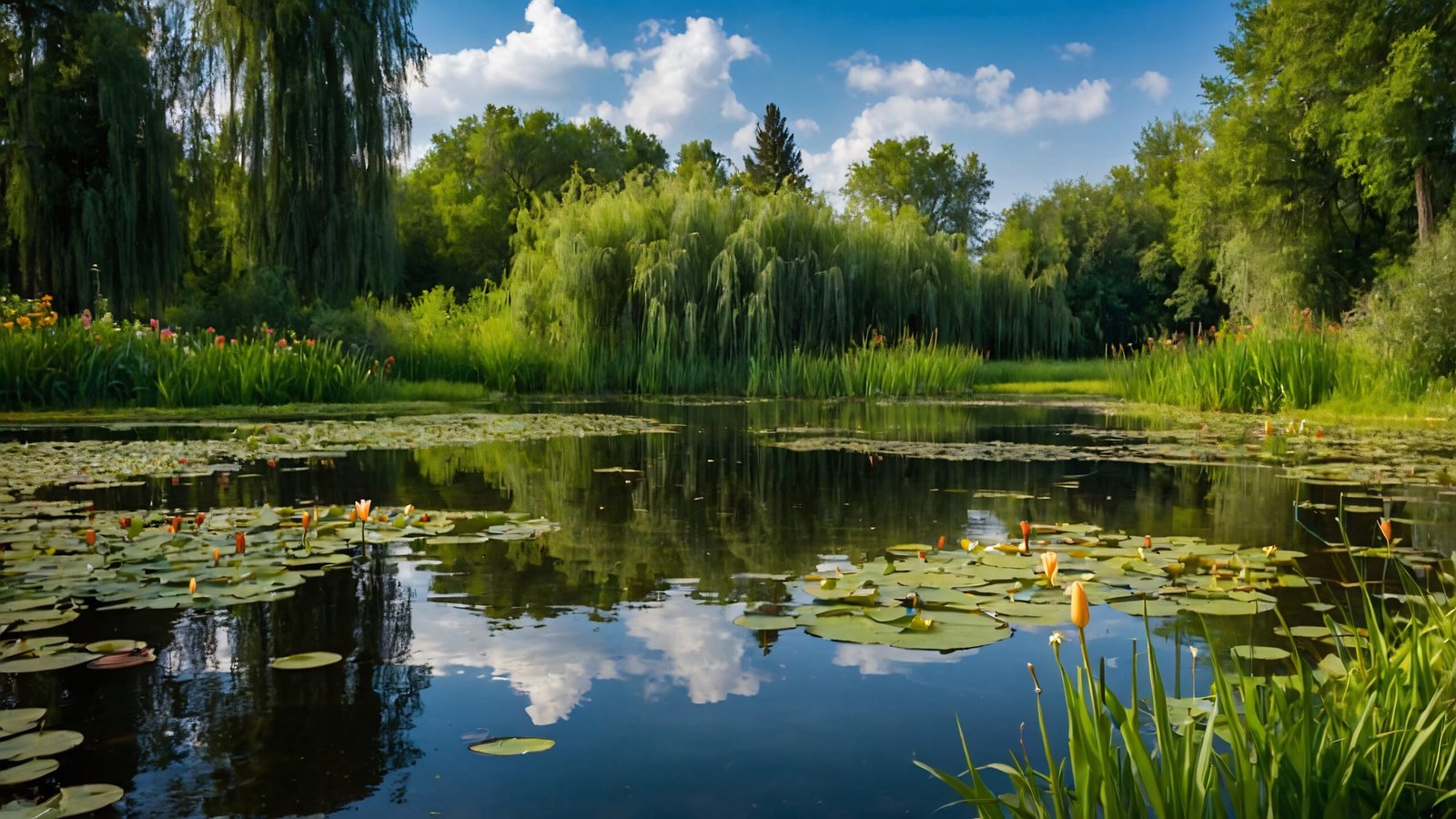
A pond can become the natural focal point of a garden, providing movement, sound and seasonal interest. Even a modest pond attracts wildlife — dragonflies, damselflies, pond skaters, frogs, toads and sometimes newts — and it can evolve into a living landscape that changes throughout the year. Importantly, inheriting a pond doesn’t mean you’re stuck with the previous owner’s design choices. You can use it as a starting point and decide what you actually want: a wildlife pond, a general fish pond, or a specialist koi pond. Budget matters, of course, and moving house is often when funds are tight. If the pond looks tired and there are no fish, one sensible option is to clean it out and put it “on pause” while you decide what you want long-term. That basic tidy-up helps you understand the pond’s size, structure and potential, and it gives you time to gather ideas and plan a realistic upgrade path.
First Step: Do a Quick Pond Audit
A pond audit is simply a practical assessment to help you decide whether the pond is structurally sound, suitable for fish, and worth renovating. Inherited ponds are often neglected during the sale period, so first impressions can be misleading. Start with the basics: does it hold water, what is it made from, and what equipment (if any) is present?
Pond Structure: Liner, Preformed Pool or Concrete
Water level is one of the best early clues. If the pond is unusually low, it may be losing water through a leak rather than evaporation, especially in cooler months. Top it up and monitor the level over a day or two. A persistent tidemark can also indicate where water has been sitting for some time, helping you pinpoint potential leak height. Depth and volume also matter if you’re thinking about koi. As a rough guide, a pond around 3 feet deep is a starting point for small koi, while a dedicated koi pond is typically deeper and far larger in volume.
If it’s a liner pond, check exposed liner areas around the edges and rockwork. Old liners can become brittle from UV exposure, and flexibility is a good sign whereas stiffness and cracking suggest the liner may be nearing end of life. Also look for signs of ground movement: slumped shelves, sagging planting ledges, or edging that looks as though it could slip inwards.
If it’s a preformed pond, the main question is simply whether it holds water. Preformed ponds are generally durable and UV resistant, and if they’re intact there is often little else to worry about structurally.
If it’s a concrete pond, inspect the edging and any exposed surfaces for flaking, cracking or frost damage. Some concrete ponds last for decades, but poor build quality or repeated freeze-thaw cycles can eventually cause failures. If the exposed areas look solid, it may be best not to disturb them unnecessarily.
Do You Have Fish in There? Don’t Assume You Don’t
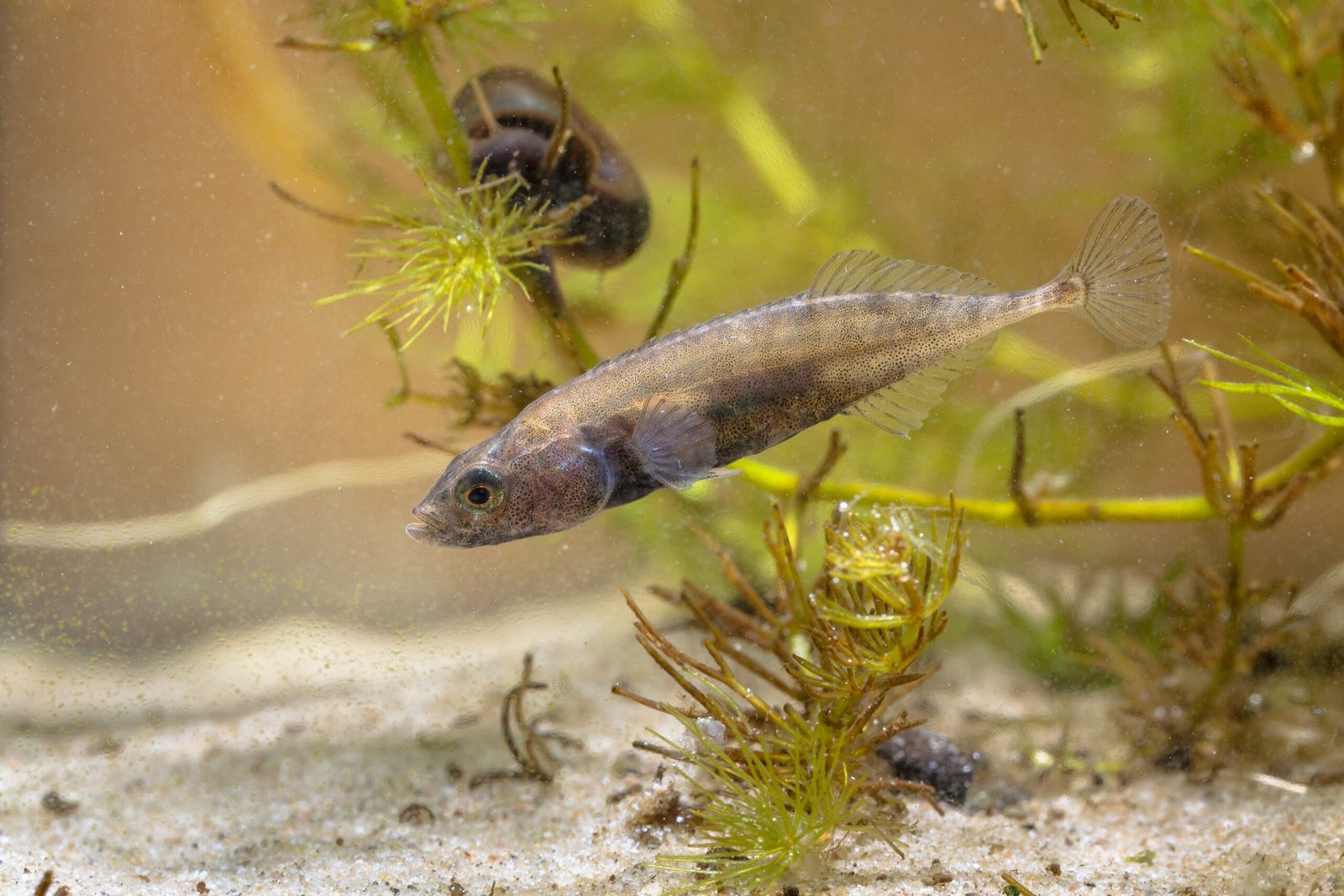
Many new owners are convinced there can’t possibly be fish in a pond that looks overgrown or silty — and then discover a thriving population hiding in the murk. Goldfish and shubunkins are particularly hardy and can survive in surprisingly poor-looking ponds, often living off natural food within the debris. If you suspect there may be fish, avoid stirring up sludge or disturbing the bottom. Agitating silt releases foul, low-oxygen material into the water and can harm fish quickly. If you plan to drain the pond, you must have a proper plan for temporary housing — a water barrel of tap water is not a safe substitute.
Check for Existing Pond Equipment
Whether there is a pump, filter or UV clarifier can influence your decision about the pond’s future. A wildlife pond can run without equipment if planted correctly, but a fish pond (especially with koi) typically needs circulation and filtration to maintain safe water quality. Look for signs a filter used to be present, a cable entering the pond, or a hose leading to a hidden box. If you find a pump, lift it gently and inspect it. A basic service is often enough to assess it: clean any pre-filter, remove debris, and check the impeller spins freely. If a filter has been left behind, dismantle it carefully and note how media and foams are stacked so you can rebuild it correctly later. If the system is currently running, clean media using pond water to avoid wiping out beneficial bacteria. If it’s not running, a thorough clean under tap water is fine because the bacteria will need re-establishing anyway.
Assess the Plants Without Destroying Them
Mature ponds often contain vigorous plants that have outgrown baskets, especially irises, reeds and water lilies. Submerged oxygenators can also fill a pond completely. If it’s winter, the pond may look bare above water, but many plants are simply dormant. Avoid throwing away “scruffy” clumps until you see what emerges in spring. If you do decide to renovate, repotting and thinning plants is often one of the most effective ways to restore balance and improve water clarity.
Rockwork, Edging and Surrounds
Styling matters more than many people expect. The pond might be structurally fine but finished in a way that doesn’t match your taste or the rest of the garden. When you plan improvements, think of the pond and its surroundings as one design. If you want a natural look, you may need to replace old paving, mismatched edging, or artificial cascades with stone that blends better with the garden. A pond can look “right” or “out of place” depending on how it transitions into paths, patios, planting and seating areas.
A Practical Renovation Plan for an Inherited Pond
If your inherited pond is overgrown, low on water, has no obvious pump or filter, and you’re unsure whether fish are present, a staged approach is safest. Drain only once you’re confident about fish and temporary housing. Remove plants to assess them, keep them moist, and decide what to keep. Remove sludge carefully — it’s excellent fertiliser for borders. Save the first cleanest water you remove in a large clean container as an emergency holding option if fish are discovered. If the liner is old, replacing it often brings long-term peace of mind, and it allows you to correct any settled shelves and improve underlay protection.
When fitting a new liner, accurate measurements are essential. Measure maximum length and width, then add twice the depth to each dimension to ensure adequate overlap. Install underlay or a protective sand layer, lay the liner warm if possible, fill gradually, and only trim once completely full, leaving generous overlap for edging and any waterfall area.
For a clear fish pond, you’ll typically need three core components: a pump sized to circulate the pond volume at least once every two hours, a UV clarifier to control green water, and a suitable filter that handles both solids removal and biological breakdown of waste. Where electrical work is required, a qualified electrician is the safest route for installing a protected outdoor supply.
If you want a wildlife pond, you can often avoid pumps and filtration entirely by relying on planting density and natural balance, which can also reduce upfront costs. If you inherit a cracked concrete pond, relining with a quality PVC or rubber liner can be more reliable than patch repairs, especially if the structure is likely to shift or crack again later.
Pond Plants That Help Keep Water Clear
Planting is one of the best long-term investments in an inherited pond. Floating plants such as fairy moss can reduce light penetration and help suppress green water early on, though it can become invasive and may need controlling. Marginal plants create structure and soften edges, while submerged oxygenators compete with algae for nutrients. Deep-water plants such as lilies provide shade and seasonal interest, and their floating pads help stabilise the pond environment in summer.
A Realistic Weekend-by-Weekend Timeline
Many pond renovations can be broken into manageable weekend tasks: first audit and planning, then draining and cleaning, then liner and edging work, followed by equipment installation and electrical supply, then planting and gradual fish introduction. Gradual stocking is essential when a new filter is installed because biological filtration takes time to mature.
Key Pond Improvement Tips
If you are unsure whether an old liner will last, replacing it is often the better long-term decision. If you discover fish and don’t have a safe temporary setup, asking a neighbour with a pond to foster them for a few weeks can be far easier than improvising. When choosing pump and filter sizes, it’s generally wiser to go slightly larger than the minimum spec, as it provides better water quality and more margin for error. Above all, renovate patiently and stock gradually — you’ve moved house once; you don’t want to be tearing up the pond again because you rushed the setup.