Summer pond jobs

Summer Pond Care – Keeping Fish, Plants and Water Healthy
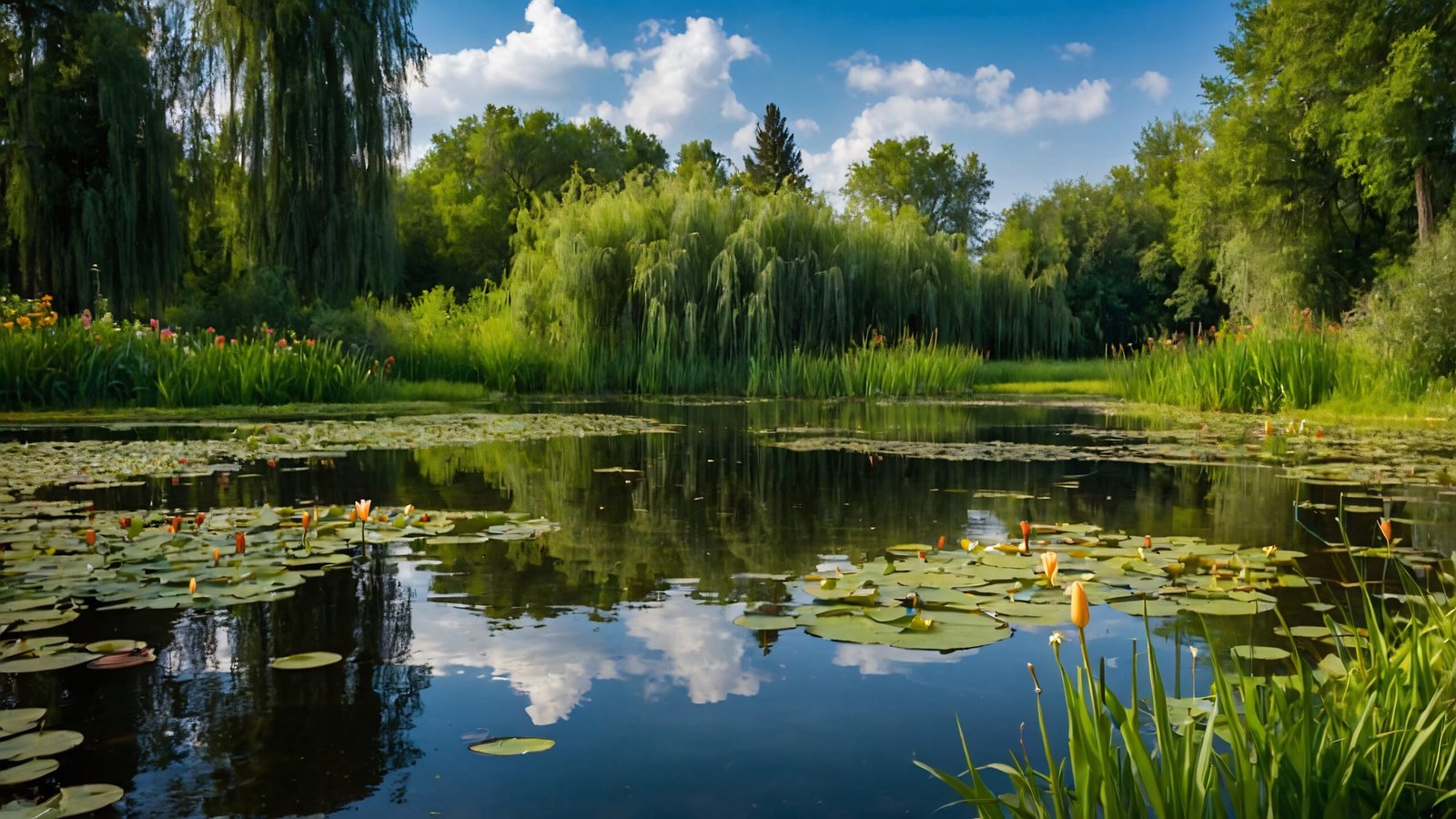
This is the season every pond keeper looks forward to. After winter checks, spring clean-ups and repotting aquatic plants, summer is when the pond truly comes alive. New growth pushes up from every basket, lilies begin to spread, fish become active and the entire pond seems to gather momentum.
But while summer is the most rewarding time in pond keeping, it is also the period when problems can escalate fastest. Warmer temperatures accelerate everything — plant growth, fish metabolism, algae blooms and water quality fluctuations. The key principle for successful summer pond care is simple: enjoy it, but stay vigilant.
Fish in Summer – Feeding, Growth and Energy Reserves
Pond fish are cold-blooded, meaning their behaviour, appetite and growth rate are directly influenced by water temperature. Feeding typically resumes in spring once water temperatures consistently exceed 10°C. As summer temperatures rise, appetite and activity increase significantly.
Summer is a crucial window for pond fish. They must not only meet daily energy requirements but also build sufficient reserves to carry them through autumn and winter.
Once water temperatures exceed 14°C, higher-protein growth diets are appropriate. These provide the amino acids required for tissue development and the energy needed for increased activity. However, feeding must remain controlled. Poor-quality food or excessive feeding can compromise water quality and undo the benefits of good nutrition.
Remember that feeding fish also feeds the pond. Increased food intake leads directly to increased waste production. In summer, when feeding peaks, so too does ammonia output. Without adequate filtration, this can quickly lead to stress and disease.
Filtration – Coping With Summer Waste Levels
Fish waste in summer presents two primary challenges: solid waste and soluble waste.
Solid waste should be removed from the pond before it settles and decomposes on the bottom. Efficient mechanical filtration prevents debris from becoming suspended and clouding the water. Regular filter maintenance is essential during heavy feeding periods.
Soluble waste, particularly ammonia, poses a greater invisible risk. Ammonia is colourless and released continuously through fish gills. As feeding increases, ammonia production rises proportionally. A mature biological filter must convert ammonia first to nitrite and then to nitrate.
Before increasing feeding rates in summer, ensure your filtration system is capable of handling the additional load. Clear water alone does not guarantee safe water — regular testing for ammonia and nitrite remains essential.
Oxygen – The Hidden Summer Risk
As temperatures rise, fish require more oxygen. Unfortunately, warm water holds less dissolved oxygen than cool water. This creates a potentially dangerous imbalance: higher demand and lower availability.
Several strategies can prevent oxygen shortages. Waterfalls and fountains increase surface agitation, encouraging oxygen exchange. Air pumps with diffusers positioned at depth provide continuous aeration and improve circulation.
Equally important is maintaining open surface area. Floating plants such as duckweed or fairy moss can quickly blanket a pond, restricting gas exchange. Aim to keep at least 50 percent of the water surface clear to support proper oxygen diffusion.
Spawning Season
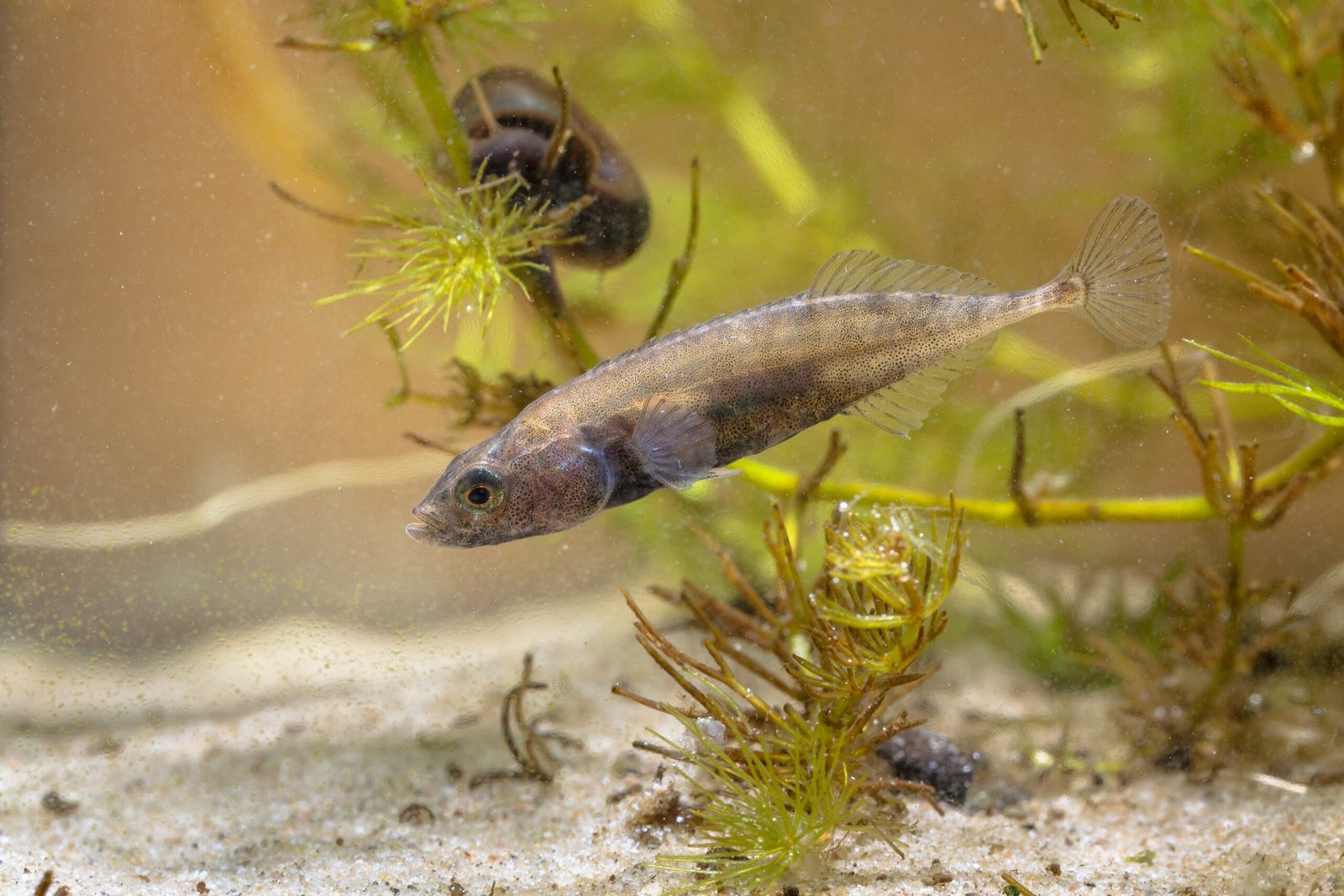
Summer is also spawning season. Increased temperature and longer daylight stimulate breeding behaviour. During spawning, males vigorously pursue females, often leading to scale loss and exhaustion. This activity can last for hours and results in thousands of adhesive eggs attached to plants and pond surfaces.
If left undisturbed, eggs hatch within four to five days. Fry take refuge among dense plant growth and feed naturally on microscopic life within the pond. In well-planted ponds, fry survival rates improve without the need for specialised feeding.
Algae Battles – Green Water vs Blanket Weed
Summer algae management is often a balancing act. Green water (suspended algae) and blanket weed (filamentous algae) compete for light and nutrients. When green water dominates, it shades out blanket weed. If green water is eliminated using UV clarifiers or algicides, blanket weed may thrive in the clearer conditions.
Complete elimination of algae is rare and unnecessary. The goal is control, not eradication. Blanket weed can be managed through selective treatments, manual removal and nutrient control. Encouraging healthy plant growth is one of the most effective long-term solutions.
Water lilies should ideally provide up to 50 percent surface coverage, offering shade that suppresses algae growth while still allowing sufficient gas exchange. Marginal plants such as water forget-me-not and parrot’s feather can further compete for nutrients without smothering the pond.
Managing Water Levels and Water Quality
Evaporation can be significant during hot spells, exposing liner edges and drying marginal shelves. Bog gardens are particularly vulnerable, as soil can wick moisture upward and dry out quickly.
Regular topping up is necessary, but simply replacing evaporated water is not enough. When water evaporates, dissolved compounds remain behind, gradually concentrating. A fortnightly partial water change — up to 30 percent — helps dilute accumulated nitrates and dissolved solids. Always use a suitable tap water conditioner to neutralise chlorine before adding fresh water.
Holiday Planning for Summer Ponds
Ironically, the time when ponds require the most attention often coincides with summer holidays. Before leaving, prepare a checklist for a reliable neighbour. They should monitor water level, check pump operation, clear pump pre-filters and observe algae growth.
To prevent overfeeding, prepare pre-measured daily portions of food. This simple step avoids well-intentioned excess feeding that can destabilise water quality.
Enjoy the Season, But Stay Alert
Summer represents the peak of pond keeping — abundant plant growth, active fish and vibrant displays. However, it is also the season when oxygen levels drop, algae blooms accelerate and water quality can change rapidly.
With attentive feeding, effective filtration, adequate aeration and regular monitoring, your pond will not only survive summer but thrive in it. The rewards are clear water, strong growth and healthy fish — all built on the foundation of vigilance and balanced management.