Pond Fish Food and Feeding

Pond Fish Food and Feeding
Achieving Good Health, Growth and Colour in Pond Fish
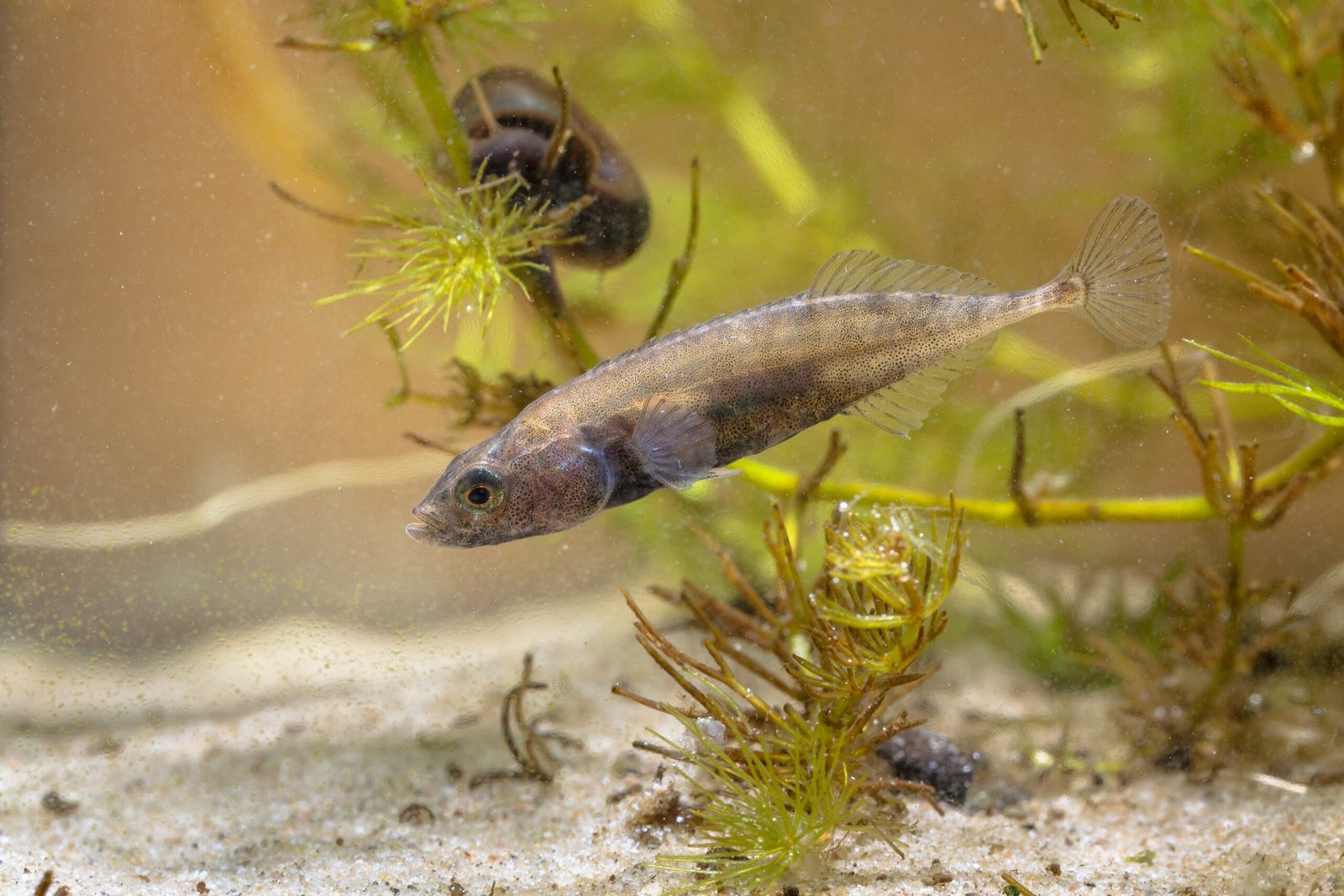
Feeding pond fish is very different from feeding ourselves. While we may eat three meals a day without fail, fish feeding habits are dictated almost entirely by water temperature. As cold-blooded animals, koi, goldfish and other pond fish rely on the surrounding water to regulate their metabolism. When temperatures drop below around 8°C, their appetite declines sharply and they naturally retreat to deeper, slightly warmer water rather than rising to feed.
Water temperature doesn’t just influence feeding — it governs the entire pond ecosystem. In winter, plant growth slows, insect life diminishes and biological filtration becomes less active. During summer, however, both the pond and its fish enter a productive phase. This warmer window is critical. Fish are not only eating for immediate needs but also building energy reserves to carry them through colder months when feeding stops altogether.
Understanding how pond fish use food is essential if you want to optimise three key outcomes: health, growth and colour.
Health – Nutrition as the Foundation of Fish Welfare
Water quality remains the single most important factor in fish health. Toxic waste such as ammonia and nitrite must be processed efficiently by a mature filtration system. However, once water quality is under control, nutrition becomes the next major determinant of vitality.
Most garden ponds cannot produce enough natural food through plants and insect life to sustain fish properly. That means pond fish depend on a complete and balanced artificial diet. Without correct nutrition, fish may suffer from deficiencies that weaken immunity and increase susceptibility to disease.
Vitamins play a particularly important role. Though required only in small amounts, they are essential for immune function, tissue repair and metabolic processes. Unfortunately, some vitamins degrade during food manufacture due to heat exposure. Modern high-quality pond fish foods compensate for this by including stabilised vitamin supplements.
Stabilised Vitamin C is especially important. It supports immune response and prevents deficiency problems. When choosing pond fish food, checking for stabilised Vitamin C content is a simple way to promote long-term fish health.
Growth – Maximising Size Safely and Efficiently
For many pond keepers, especially koi enthusiasts, growth is a primary objective. Larger fish often command greater value and presence in a pond. However, growth rate depends on several interacting factors. Genetics set the upper limit, but stocking density, water quality and diet determine how much of that potential is realised.
Fewer fish in a larger pond will typically grow faster than fish crowded into a small volume of water. Feeding also plays a crucial role. Fish require energy for movement and protein for tissue development.
Protein can be used in two ways. Ideally, it is converted into body mass, supporting growth in length and weight. However, if dietary protein is used as an energy source instead of carbohydrates or oils, excess nitrogen is released as ammonia — placing extra strain on the filtration system. This is why selecting the correct protein level for the season is so important.
In spring and autumn, when water temperatures range roughly between 9°C and 14°C, fish metabolism is moderate and digestion is less efficient. During these periods, a lower-protein, wheatgerm-based diet is recommended. Wheatgerm foods are easier to digest and reduce unnecessary ammonia production.
In summer, once water temperatures regularly exceed 14°C, fish become more active and capable of sustained growth. This is the time to switch to a higher-protein growth formula. Feeding a low-protein diet during peak summer conditions limits growth potential, while feeding high protein during cooler periods wastes nutrients and can compromise water quality.
Seasonal feeding strategies are therefore central to responsible pond fish nutrition.
Colour – Enhancing Pigmentation Through Diet
The visual appeal of koi and goldfish lies largely in their colour patterns. Like growth, colour expression is influenced by genetics, but nutrition can significantly enhance pigmentation.
Many premium pond fish foods now contain natural colour-enhancing ingredients rich in carotenoids — the pigments responsible for red, orange and yellow tones in ornamental fish. Ingredients such as spirulina, krill, paprika and marigold extract provide these compounds.
Fish cannot manufacture carotenoids themselves; they must obtain them from their diet. When supplied consistently in a balanced formula, these pigments accumulate in the skin, deepening reds and intensifying overall colour contrast.
When selecting a colour-enhancing pond food, ensure it remains balanced and appropriate for the season. Colour improvement should never come at the expense of water quality or digestive efficiency.
Feeding for the Season and the System
Successful pond fish feeding always returns to two fundamentals: match the diet to the temperature and feed only what the fish can process efficiently. Overfeeding, incorrect protein levels and ignoring seasonal changes are common causes of poor growth and declining water quality.
By selecting high-quality, seasonally appropriate pond fish food and adjusting feeding frequency according to temperature, you directly influence the three pillars of ornamental fish success: strong immunity, steady growth and vibrant colour.
In short, feeding is not just about satisfying appetite — it is about building resilience, maximising potential and maintaining a stable pond ecosystem year-round.