Spring pond jobs

Jobs and maintenance in the garden pond in spring months as the temperature starts to rise.
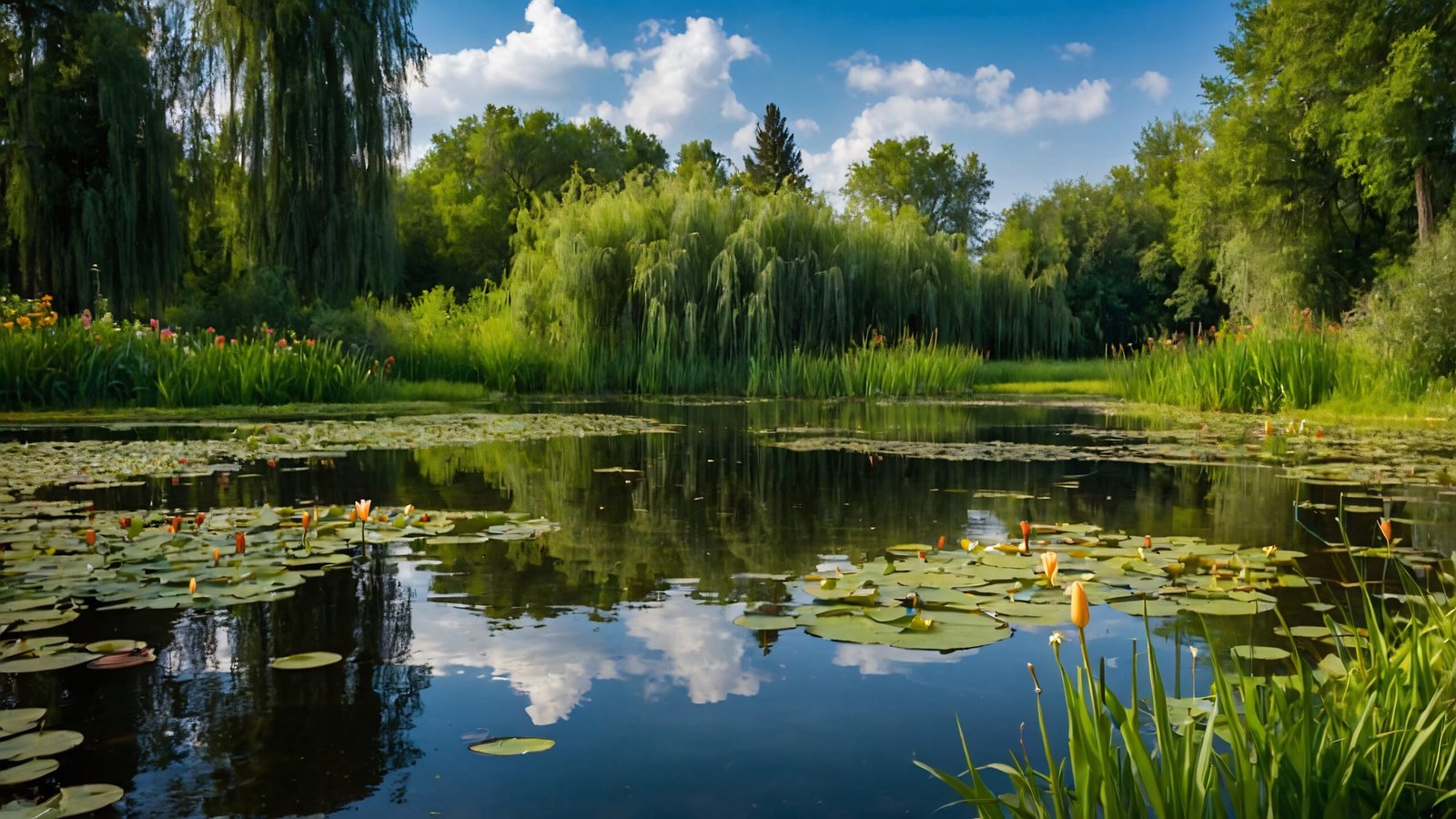
Spring is the launch pad for life in the garden, and your pond is no exception. After months of winter dormancy, pond plants, fish and wildlife are ready to burst back into activity. Before growth accelerates, early spring pond maintenance is essential to protect water quality, prevent algae problems and support fish health throughout the warmer months.
As water temperatures begin to rise and daylight hours increase, your pond will change rapidly. Acting early — ideally while water temperatures remain below 10°C — allows you to prepare your pond for summer without disturbing fish or beneficial bacteria.
Assessing Winter Impact on Your Pond
The level of maintenance required will largely depend on how harsh the winter has been. However, every garden pond benefits from a spring clean, regardless of conditions.
Late winter and early spring often provide the clearest water of the year. While this clarity may suggest excellent water quality, hidden issues may be developing beneath the surface. Throughout winter, leaves and organic debris accumulate on the pond floor. As they slowly decompose, they release nutrients such as nitrates and phosphates — the very compounds that fuel green water and blanketweed once temperatures rise.
Early spring is the perfect time to remove this debris. Rather than stirring up silt with a fine net, consider hiring a pond vacuum to remove settled sludge efficiently. Once fish become active and pumps restart, disturbed sediment will make thorough cleaning much more difficult.
Testing Pond Water in Spring
Spring water testing provides valuable insight into how your pond has fared over winter. Two key parameters to check are pH and nitrate levels.
Prolonged rainfall and snow can dilute pond water, causing the pH to drift closer to neutral (around 7). Ideally, pond water should be slightly alkaline, around pH 8, to provide a stable environment for fish. If needed, topping up with dechlorinated tap water can help restore buffering capacity.
Nitrates often accumulate over winter due to organic breakdown and reduced plant uptake. Levels should ideally remain below 50ppm. If readings are higher, perform gradual partial water changes to reduce concentrations. Keeping nitrates under control in spring significantly reduces the risk of algae outbreaks later in the season.
Servicing Pond Pumps, Filters and UV Clarifiers
Spring is the time to recommission your pond equipment. If your pump has been switched off over winter, retrieve it, clean off debris and inspect the impeller and seals. Ensure pre-filters are clear and all components rotate freely.
Filters should be gently cleaned to remove accumulated sludge, but avoid excessive scrubbing. Preserving some established biofilm helps beneficial bacteria restart quickly. Always rinse filter media in pond water, not tap water, to protect bacterial colonies.
If your system includes a UV clarifier, replace the UV bulb annually. Even if it still glows, its ultraviolet output will have declined significantly. Installing a new bulb in spring ensures effective green water control during peak algae growth.
Feeding Pond Fish in Early Spring
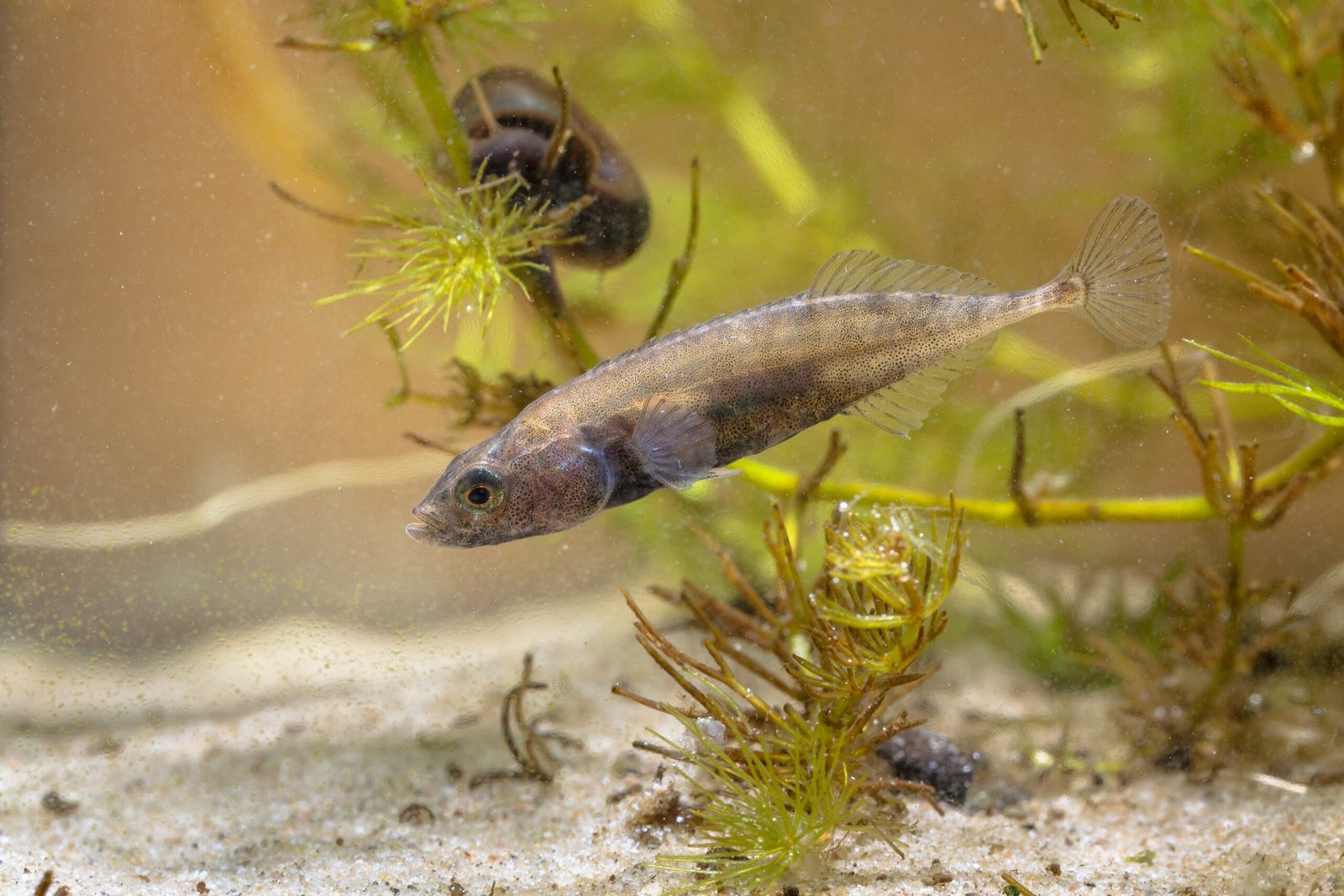
Pond fish metabolism is governed by water temperature. They will not require feeding until temperatures consistently reach 8–10°C. Even then, feed sparingly and only what they can consume within five minutes.
Early spring is one of the most vulnerable periods for pond fish. After winter, their immune systems are still suppressed while opportunistic bacteria and parasites begin to reactivate as water warms. Overfeeding at this stage can overwhelm a still-maturing filter and trigger water quality problems.
To reduce strain on both fish and filtration:
-
Use a low-protein diet (around 20%) suitable for cooler water.
-
Consider adding a bacterial filter starter to help re-establish biological filtration.
-
Monitor ammonia and nitrite closely during the restart phase.
Preventative Treatments and Fish Health
Because spring water temperatures often fluctuate, fish may struggle to mount an effective immune response. Some pond keepers choose to apply a preventative broad-spectrum treatment (such as formalin and malachite green-based products) to reduce pathogen levels during this transitional period.
Used correctly and at appropriate temperatures, preventative treatments can support fish health until warmer conditions strengthen natural immune defences.
Set the Stage for a Successful Summer
Preparing your pond for spring and summer can usually be completed over a single weekend. Removing winter debris, testing and balancing water quality, servicing equipment and adjusting feeding practices will dramatically reduce the risk of algae blooms and fish health issues.
A little early effort ensures your pond remains clear, balanced and vibrant throughout the growing season. Take action while the water is still cool, and your pond — and its inhabitants — will reward you all summer long.