Winterizing a pond

How to ensure your koi and pond fish get through a winter pond safely.
Winter is a period of transformation in the garden, when plants release their foliage in preparation for the ravages of winter and the growth rate of everything else (including weeds!) seems to take a well earned break. It can also be a time of inactivity for us in the garden, providing us with the opportunity to take stock of how our garden has performed and developed in the preceding months, earmarking changes for when spring time comes around again.
We could also be forgiven for thinking that our pond can be left alone to ‘rest’ in its apparent state of hibernation during the winter months. In fact, pond fish can be so well hidden in an overwintering pond that we could easily forget about their existence, that is, until they magically reappear in the spring.
To a certain degree, a laissez-faire approach with our pond may be justifiable in the winter, as there is little that fish require from us over this fallow period. However, there are a few simple measures we can take to ensure that, even after the harshest of winters, our fish are there to greet us in the springtime.
What actually goes on in a pond through the winter?
Fish:
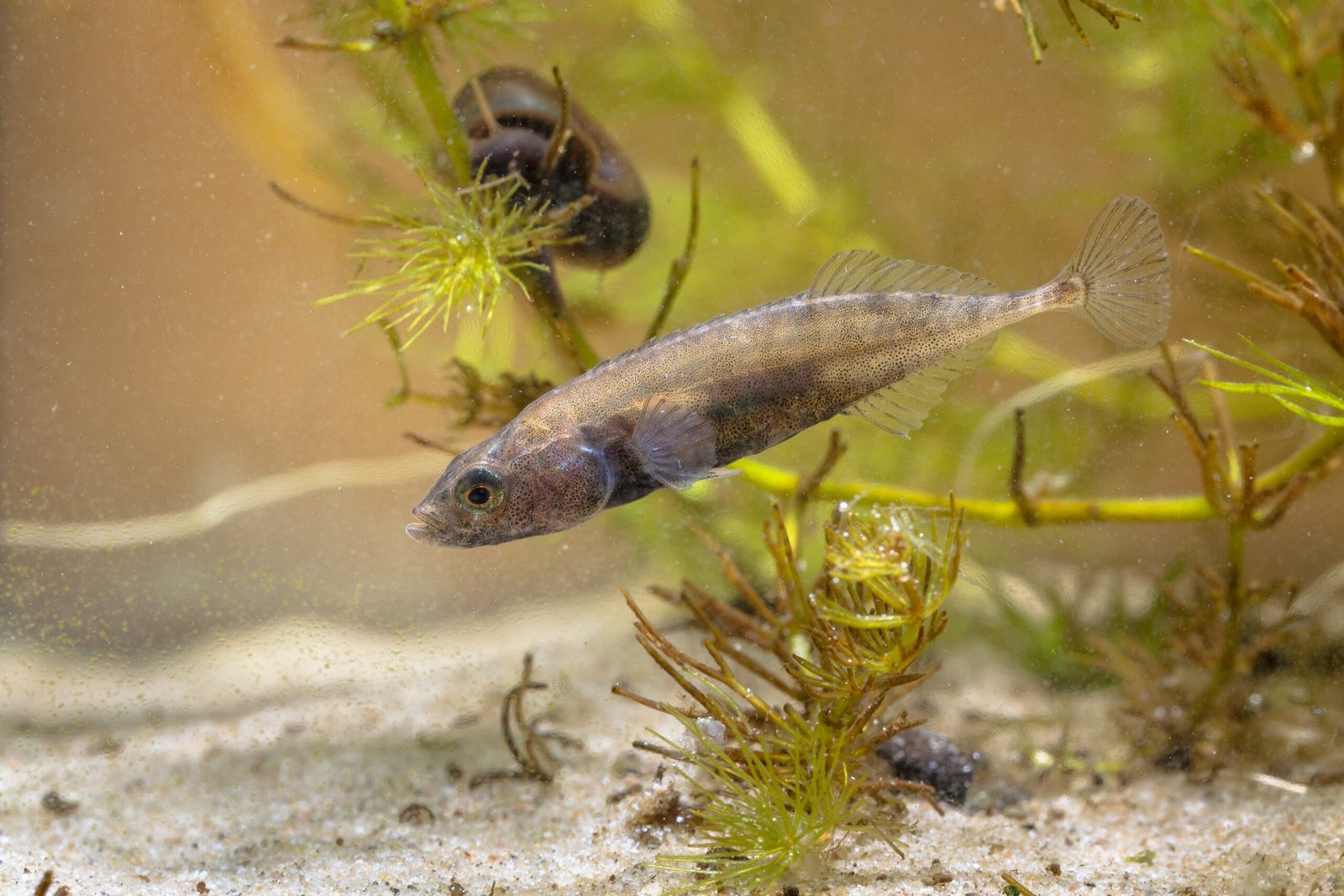
The vast majority of pond fish (goldfish, koi, comets, shubunkins and orfe) are related to the carp and have been overwintering in our climate very successfully for hundreds of years.
Fish are cold-blooded, meaning their body temperature mirrors that of the surrounding water. When water temperatures are warm, fish become active — feeding more, growing faster and producing waste in proportion to their increased metabolism.
As water temperatures fall, the opposite occurs. Provided the decline is gradual — as it typically is between summer and winter, with water cooling more slowly than the air — fish are able to adapt to this natural seasonal change. They have no control over the process; instead, their bodies respond automatically. As the water cools, their metabolic rate slows, activity levels drop, feeding reduces, and overall energy demands decrease.
This seasonal slowing is entirely normal and forms part of the natural rhythm of pond life.
A carp’s physiology is geared to overwintering and this physiology has been inherited by their ornamental cousins. The shortening daylength as winter approaches causes pond fish to prepare for winter before it arrives, feeding in excess (whenever possible) to store sufficient energy to survive the winter. The onset of cold weather may come as a shock to us, but our pondfish, unbeknown to us, have been preparing for this testing period for months.
As soon as the water temperature drops below 8oC, fish become relatively inactive, drop to the bottom of the pond, not to feed again until the temperature rises above 8oC in the spring. During this lengthy period of inactivity, we can intervene to ensure that any risks to their health and well being are reduced.
The Pond.
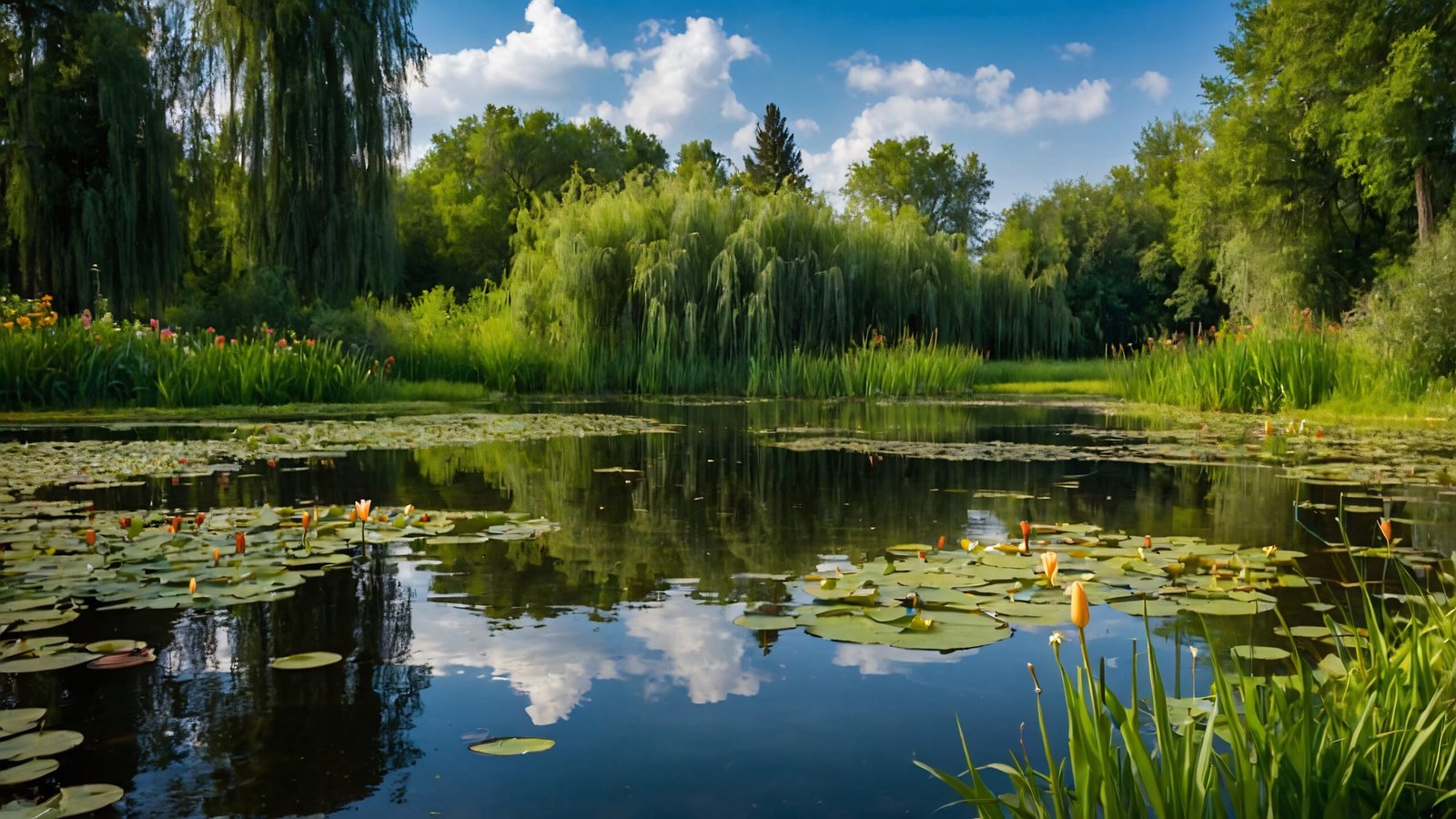
Ideally, a pond should be at least 3 feet deep. This provides pond fish with sufficient depth of water in which to be insulated from the freezing air at the pond’s surface.
A remarkable phenomenon occurs to water when it cools. Usually, the density of a material increases as it gets colder and this is true for water, but only down to 4 degrees C. Between 4 degrees C and freezing, the water actually gets less dense and floats above the denser 4-degree water, eventually to form ice if the air temperature drops below freezing. Our pondfish take full advantage of this phenomenon by sitting on the pond bottom. In very still and deeper water, quite a stable boundary can form between the less dense 0-4 degrees C water and the denser warmer water.
Water quality (and particularly clarity) is likely to be at its best in a pond during the winter. Reduced feeding and metabolic rates of ‘hibernating’ pond fish mean that ammonia production is likely to be negligible in a wintering pond. This will not burden a pond filter (which is also relatively inactive at these temperatures) and the fish are not likely to experience ammonia or nitrite problems.
Pond water is also likely to be at its clearest in winter as the cold water retards the growth of suspended single celled algae that can cause green water. The cold water will also hold relatively high levels of dissolved oxygen and as all of the oxygen consuming organisms (bacteria, protozoa and fish) are metabolising at a reduced rate, their need for oxygen is also reduced.
Pump and Filter.
As fish are excreting far less ammonia than usual, you may be able to consider whether the pump and filter system is required through the coldest winter months. The main reason for keeping the pump and filter running is to retain the maturity of the filter system ready for the start of the next season.
Circulating water in a winter pond can actually have a detrimental effect on fish health. Fish settle in the deeper warmer layers of the pond, but a pump can mix cooler surface water with the warmer water that fish are using as their sanctuary. Pumping water through a waterfall or water feature will chill the water down to the freezing air temperatures and should be avoided for a fishes’ well being.
If you opt to turn off the pump and filter, ensure that you empty all pipework to prevent breakages due to the expansion of ice. Also, turn the system back on in late February to help the filter to mature prior to fish regaining their appetites in spring.
Autumn Leaf-fall
Although water quality is likely to be at its best in winter, it can deteriorate if your pond is prone to collecting substantial amounts of leaf matter. Even at low temperatures, leaf matter will decompose, upsetting the balance of the pond. A simple pond net, stretched tightly across the pond will prevent leafs from falling into the water. A fine-mesh hand net should be used to remove any leaf matter and debris that has already accumulated. Do not be too concerned if a shallow layer of silt still forms on the pond bottom as fish can benefit from settling in a soft substrate over winter.
Ice.
Ice in itself does not pose a direct threat to fish health, but can cause problems indirectly in a number of ways.
1. It prevents gas exchange between the water and air, causing a possible build up of toxic gases in the water. This is particularly a problem in a more mature pond that may have accumulated a substantial amount of settled organic matter.
2. Breaking the ice using a brick or hammer will cause fish severe stress through the extreme sound waves that are transmitted through the water. Ice should be melted using hot water and a permanent hole in the ice achieved using a low wattage immersion heater.
Overwintering: Dos and Don’ts
Preparing your pond properly for winter will help ensure your fish remain healthy and stress-free until spring.
Do
-
Prevent ice from completely covering the pond surface. Maintaining a small ice-free area allows harmful gases to escape and oxygen to enter.
-
Cover the pond with a fine mesh net to prevent leaves from falling in and decomposing on the bottom.
-
Apply a general anti-bacterial treatment during the first warm days of spring, when fish become active again.
Don’t
-
Panic. If your fish have been well fed throughout summer and autumn, they will have built sufficient reserves to overwinter successfully. Research suggests pond fish can survive for more than 150 days without food before serious issues arise.
-
Smash ice if it forms. Sudden shock waves can stress or harm fish. Instead, use a pan of hot water or warm water from a kettle to gently melt a hole. A small 100-watt pond heater can then help keep it ice-free.
-
Leave aeration running continuously at depth. Excessive mixing of water layers can reduce the slightly warmer water that naturally settles at the bottom, causing the entire pond to chill more quickly.
-
Feed during isolated sunny spells. Even if fish appear active, prolonged cold periods often return between November and February. Feeding during these brief warm spells can lead to digestive problems if temperatures drop again.
Practical Tips
-
Install a small pond heater on a thermostatic control so it activates automatically during frost. Once fitted, it requires little intervention.
-
Use a black fine mesh net to catch falling leaves. It is far less visually obtrusive than green netting and blends more discreetly into the winter garden.
With sensible preparation and restraint, most healthy pond fish will overwinter without difficulty.