Install a Bog Garden

How to build and install a Bog Garden
When designing and building a garden pond, most of us already have a clear picture in mind of the finished result. Pond size dictates stocking levels, while shape and layout influence planting choices. Deepwater plants such as water lilies, water hawthorn and classic oxygenators like elodea and hornwort are generally straightforward to position.
Marginal pond plants, however, can present a challenge.
Marginals prefer wet roots but want their foliage and flowers proudly displayed above the waterline. The common mistake when building a pond is to install a narrow marginal shelf — often no more than nine inches wide — in order to “leave more water for the fish.” The result? A tight, uniform row of plant baskets lined up like soldiers on parade. Hardly the relaxed, natural look most pond keepers are aiming for.
Worse still, baskets can easily become visible above the water surface, spoiling the illusion of a naturally formed pond.
There is a far better solution.
What Is a Bog Garden?
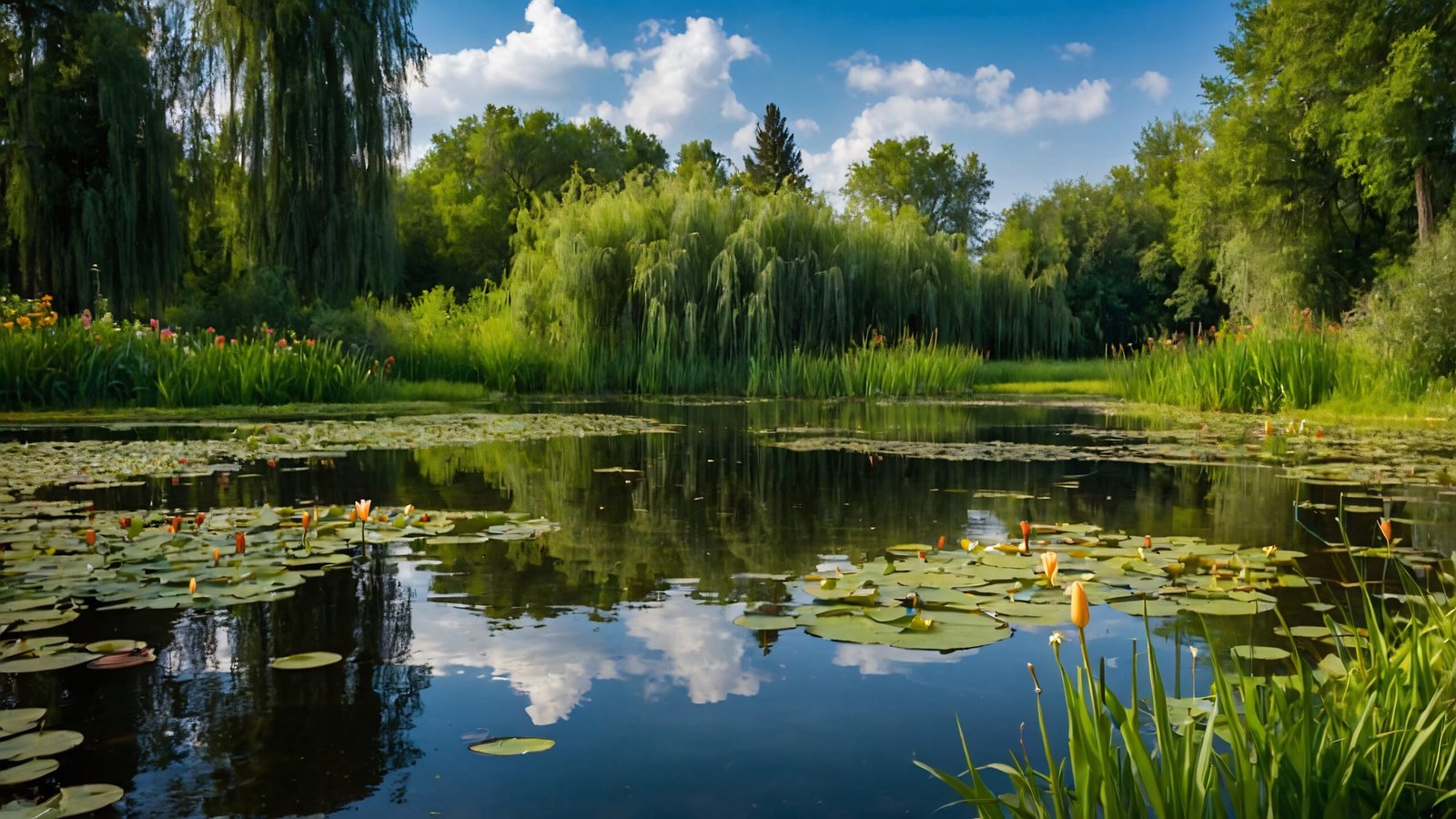
A bog garden is a deliberately created, permanently moist planting area positioned alongside your pond. Instead of confining marginal plants to a narrow shelf, a bog garden allows them to be planted freely in open soil, creating depth, texture and natural flow.
Rather than forming a regimented edge, planting becomes layered, irregular and far more natural in appearance.
If you want your pond to look as though it has always belonged in the landscape, a bog garden is one of the most effective design tools available.
Why Create a Bog Garden?
There are several compelling reasons to incorporate a bog garden into your pond design.
Wildlife Benefits
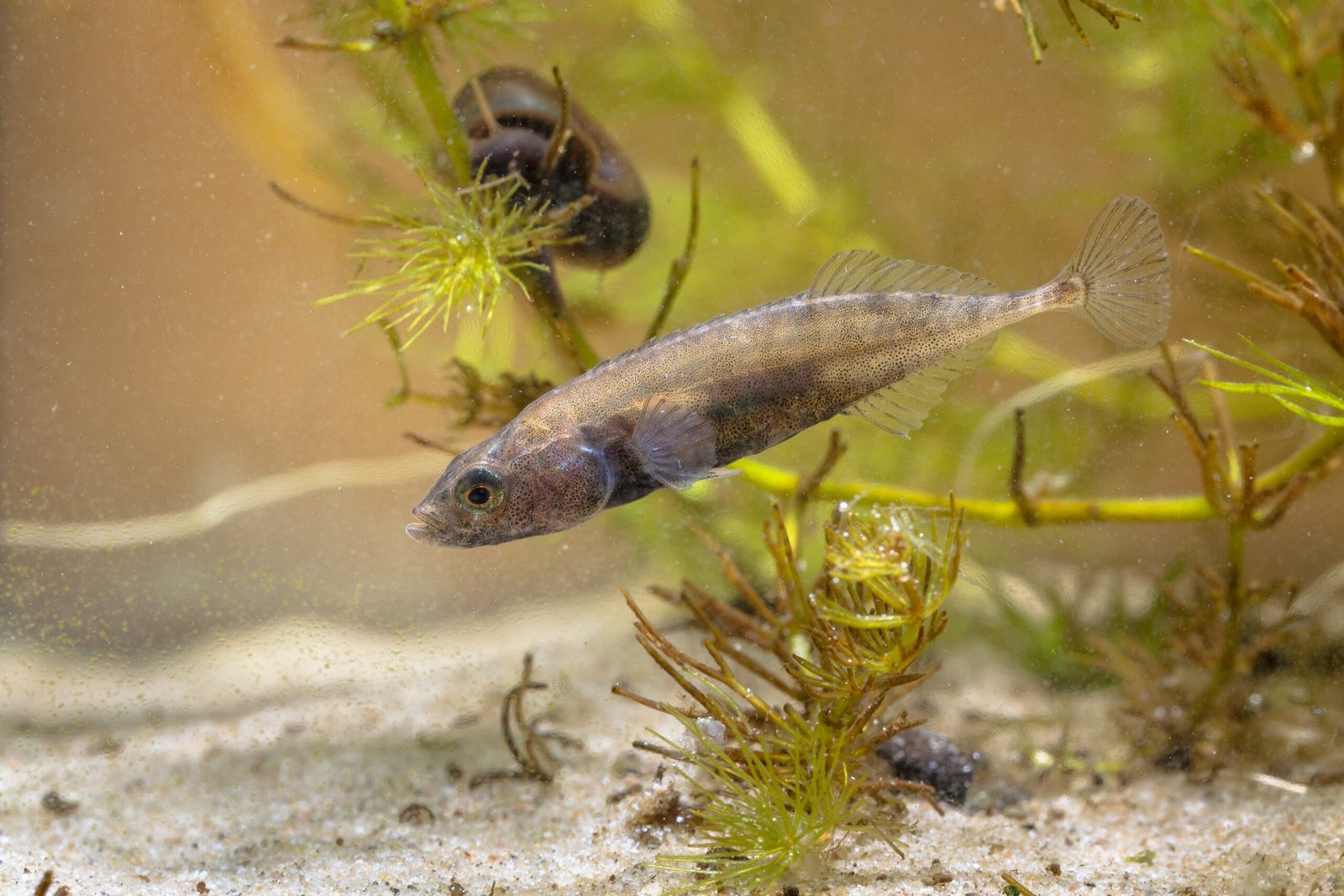
A bog garden creates the perfect transitional habitat between water and dry land. Amphibians such as frogs, toads and newts thrive in these damp environments. Their permeable skin means they must remain close to water, yet they also spend time on land. A bog garden offers both safety and convenience.
Because shallow, moist soil warms more quickly than pond water in spring, it becomes an attractive refuge for cold-blooded wildlife emerging from winter dormancy. Dense planting also provides cover from predators and creates ideal overwintering conditions.
If encouraging biodiversity is part of your pond vision, a bog garden dramatically increases your success.
Expanded Planting Opportunities
A bog garden significantly increases the range of plants you can grow.
Many bog plants offer foliage shapes, textures and colours not found in traditional aquatic marginals. Their root systems sit in consistently moist, nutrient-rich soil rather than submerged baskets, which means stronger early-season growth and earlier flowering compared to fully aquatic species.
Because plants are not confined to mesh baskets, they are free to spread naturally. Over time, this creates broad, flowing drifts of planting that soften pond edges and remove the harsh visual boundary between water and lawn.
A well-designed bog garden acts as a natural transition zone — a marshy buffer that visually blends the pond into surrounding borders. It eliminates the artificial “hard line” where water meets garden.
Planting Without Baskets
One of the most liberating aspects of a bog garden is the ability to plant directly into soil. Without baskets restricting root development, plants establish more naturally and colonise the area just as they would in the wild.
This creates a softer, more organic effect and avoids the unsightly protrusion of plastic baskets at the water’s edge.
A Smart Solution for Koi Keepers
There is an added advantage for those keeping koi.
Koi are naturally inquisitive and will happily rummage through baskets of aquatic soil, uprooting plants in the process. In a traditional planted pond, this can be frustrating and destructive.
A bog garden cleverly solves this issue. Plants remain close to the pond, maintaining the lush, planted appearance, but are positioned out of reach of curious koi. You gain the aesthetic and ecological benefits of planting without sacrificing water clarity or pond balance.
Designing a More Natural Pond Edge
If your aim is to create a pond that looks established, balanced and integrated within its surroundings, relying solely on a narrow marginal shelf is rarely sufficient.
A bog garden allows for layered planting, wildlife support, visual softness and long-term structural stability — all while improving the overall aesthetic of your water garden.
In short, if you want your pond to look natural rather than engineered, a bog garden is not just an optional extra. It is one of the most effective design upgrades you can make.