Pond goldfish varieties

Goldfish and Goldfish Varieties for Garden Ponds
Few ornamental fish can rival the heritage of the goldfish. First prized by Chinese nobility more than 1,500 years ago, goldfish were selectively bred from the modest crucian carp into the vibrant, flowing forms we recognise today. Thanks to centuries of careful breeding, the goldfish has become one of the world’s most widely kept ornamental pond fish — and for many people, their first introduction to fishkeeping.
Modern goldfish still carry the resilience of their wild ancestors, making them an ideal choice for UK garden ponds.
Goldfish Varieties Suitable for Ponds
Selective breeding has produced more than 300 recognised goldfish varieties worldwide. However, not all are suitable for outdoor ponds.
While some “fancy” goldfish (such as those with rounded bodies or elaborate fins) can survive outdoors, they are generally less hardy. The best goldfish for ponds are the traditional, streamlined types, which cope well with fluctuating temperatures and overwinter reliably.
Popular pond-suitable varieties include:
-
Standard Goldfish (classic orange form)
-
Comet Goldfish (longer, flowing tail)
-
Sarasa Comets (striking red and white pattern)
These varieties are active swimmers, strong feeders and well suited to planted ponds.
Most goldfish sold in the UK are imported from Israel, the USA and China, although some UK-bred fish are available seasonally. They are typically sold in sizes ranging from 1 inch to 14 inches.
Buying smaller goldfish can be particularly rewarding. Young fish are more economical and will grow to suit your pond naturally. Smaller specimens also offer a broader selection of colour patterns, making it easier to monitor individual fish as they mature.
Goldfish are social by nature. Keeping them in small groups — ideally five or six at a time — encourages confident behaviour and natural schooling. Single goldfish often become withdrawn.
Bowl, Aquarium or Pond?
Goldfish are famously hardy, which has unfortunately led to widespread misunderstandings about their care. While they can survive in bowls, survival is not the same as thriving.
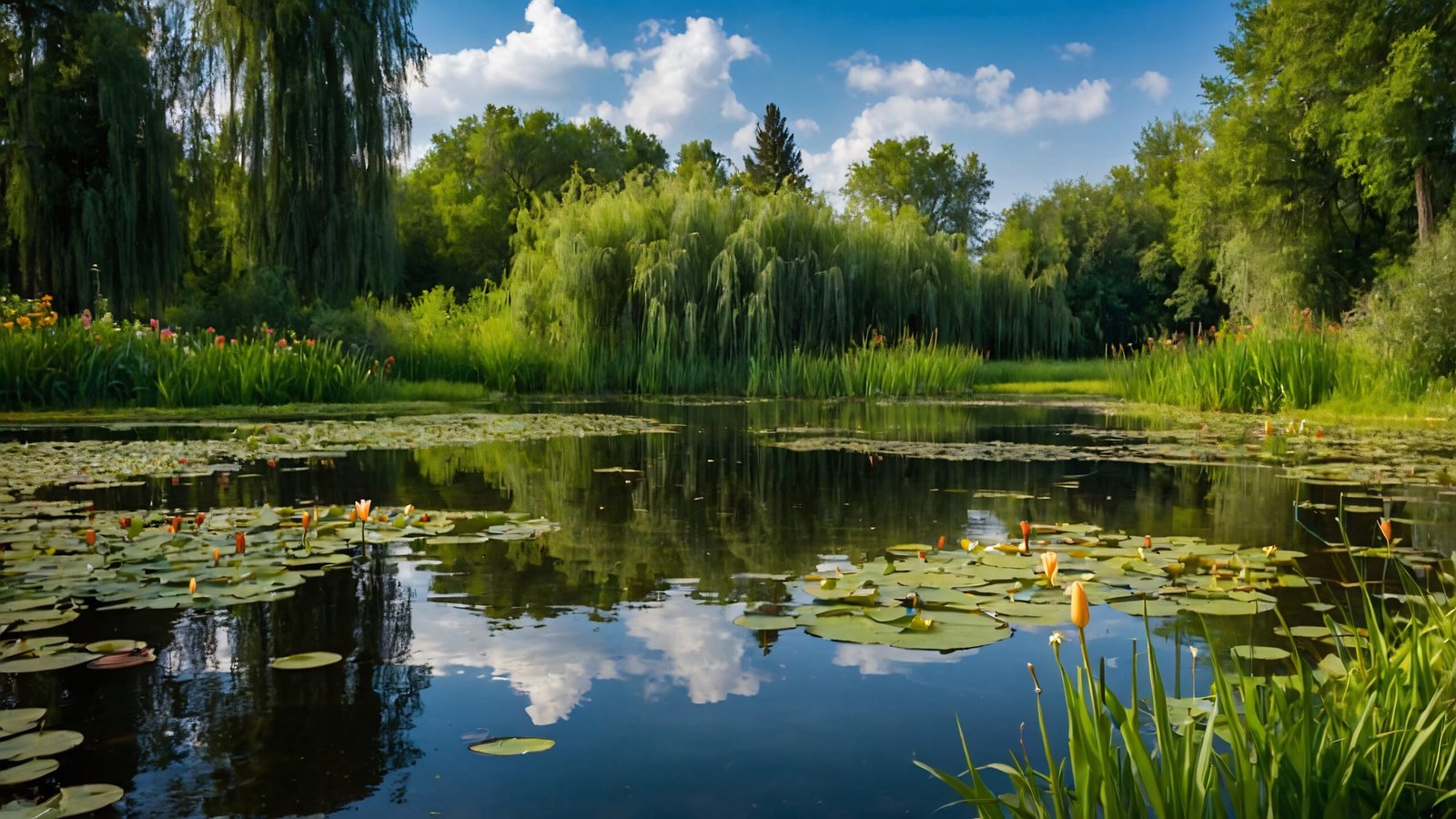
To see goldfish at their best — displaying strong growth, vibrant colour and natural behaviour — they should be kept in a spacious, well-filtered, well-planted garden pond.
In an outdoor pond environment, goldfish benefit from:
-
Greater swimming space
-
Stable seasonal temperature cycles
-
Natural grazing opportunities
-
Improved oxygen exchange
Although goldfish can tolerate a wide range of water conditions, maintaining good water quality and adequate filtration remains essential for long-term health.
Why Goldfish Remain a Pond Favourite
Goldfish combine beauty, resilience and personality. They adapt well to garden ponds, coexist peacefully with other coldwater species and provide year-round interest.
For beginners and experienced pond keepers alike, traditional goldfish and comet varieties remain one of the safest and most reliable choices for a healthy, thriving ornamental pond.